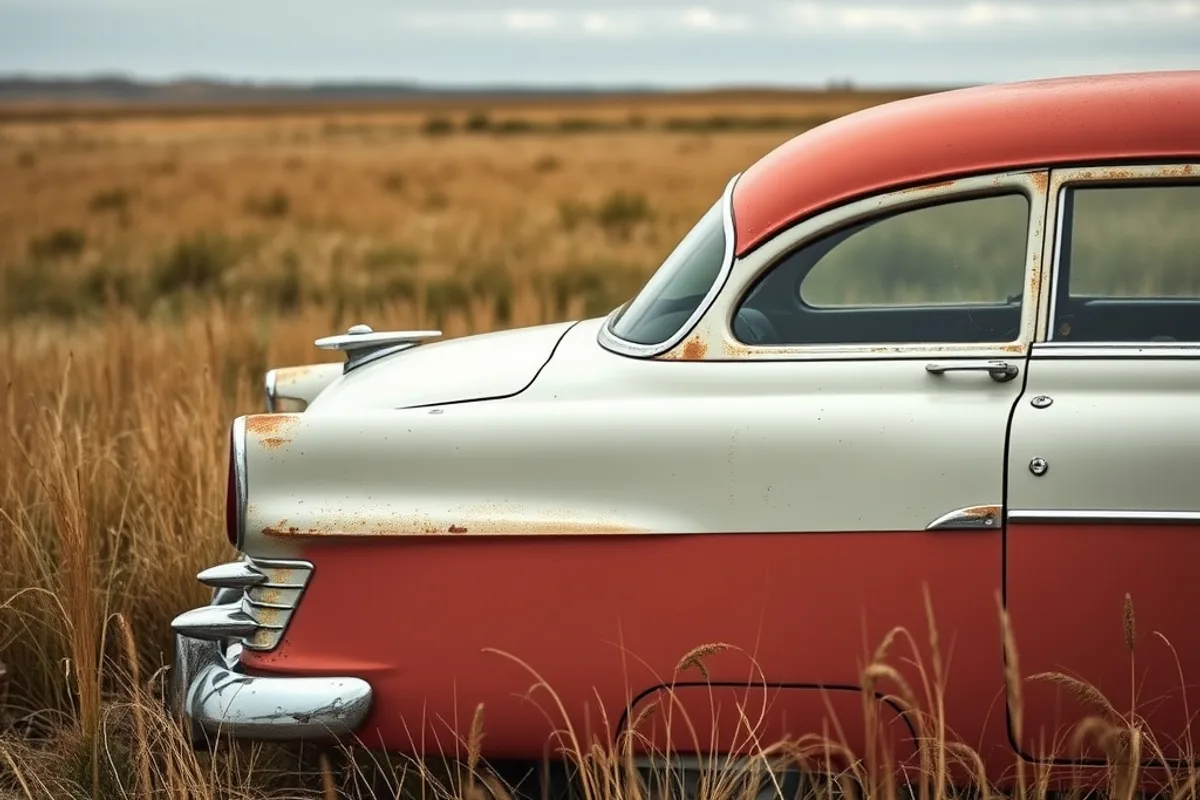
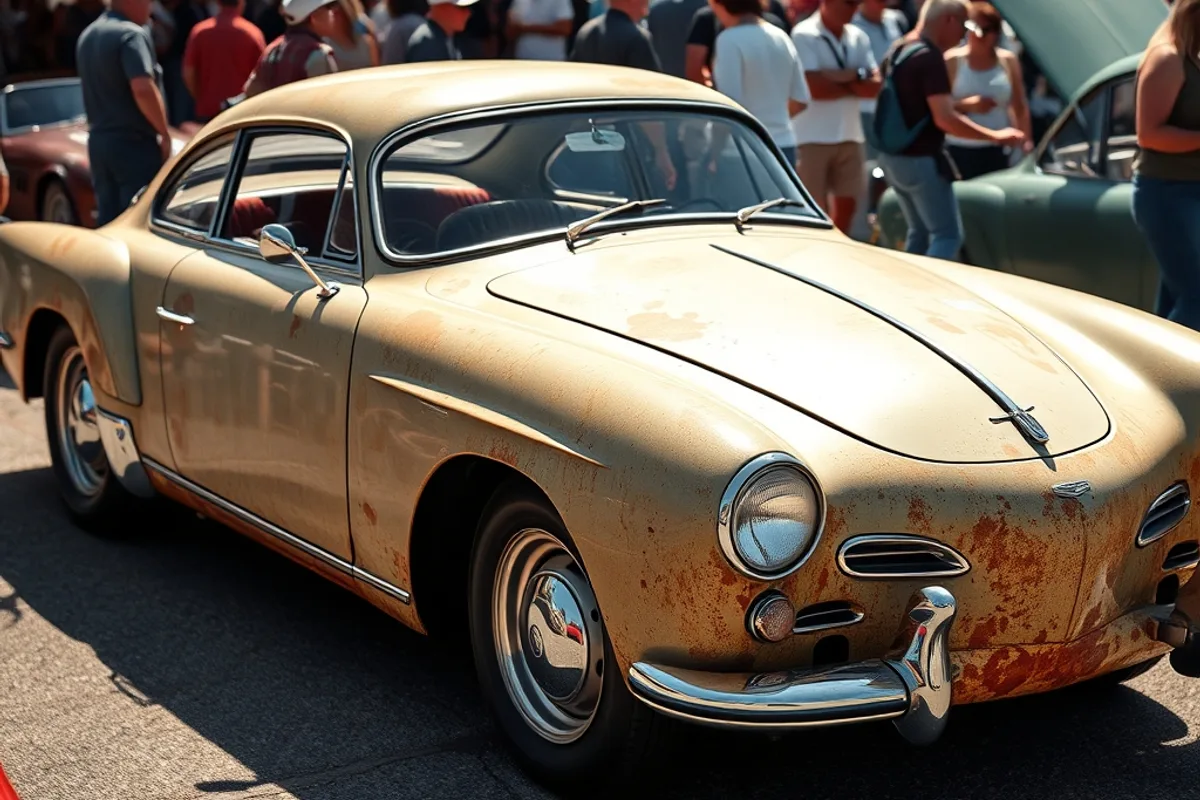
There is a particular sound at a classic car show when a perfect restoration rolls past. It is appreciative, polite and slightly distant. Then an unrestored car arrives with stone chips, sun-bleached paint and a dashboard cracked by decades of sunlight, and the crowd leans in.
What counts as a survivor
The word “survivor” gets used loosely. In the strictest sense, it describes a car that has never been restored: original paint, original interior, original mechanical specification, with wear that reflects its age and use. In practice, many cars described as survivors have had consumables replaced, a respray on one panel or a rebuilt engine.
That is not necessarily dishonest, but it matters for value. A true survivor is rare and increasingly sought after by collectors who value originality over perfection. A partly restored car can be a better driver, but it occupies a different category.
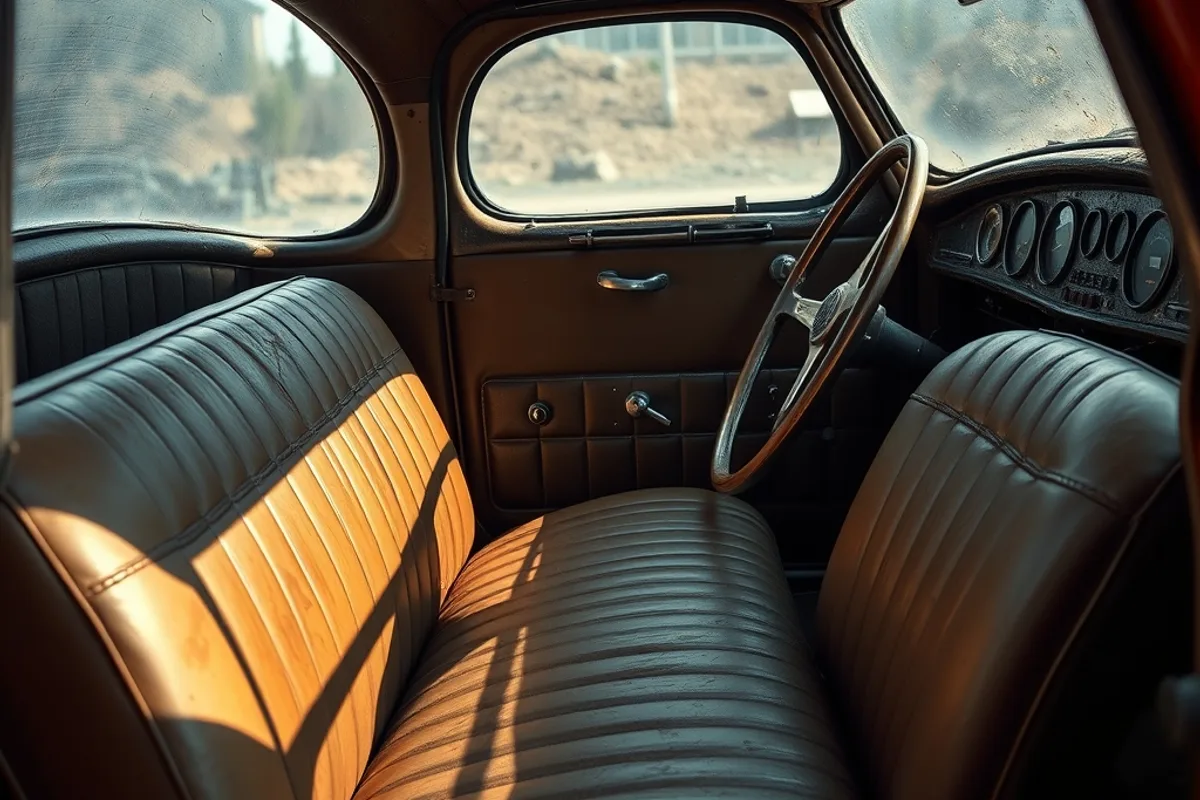
The important distinction is between wear and neglect. A worn seat is patina. A floorpan that has dissolved is neglect. One tells a story; the other tells you the car was abandoned.
Patina versus neglect
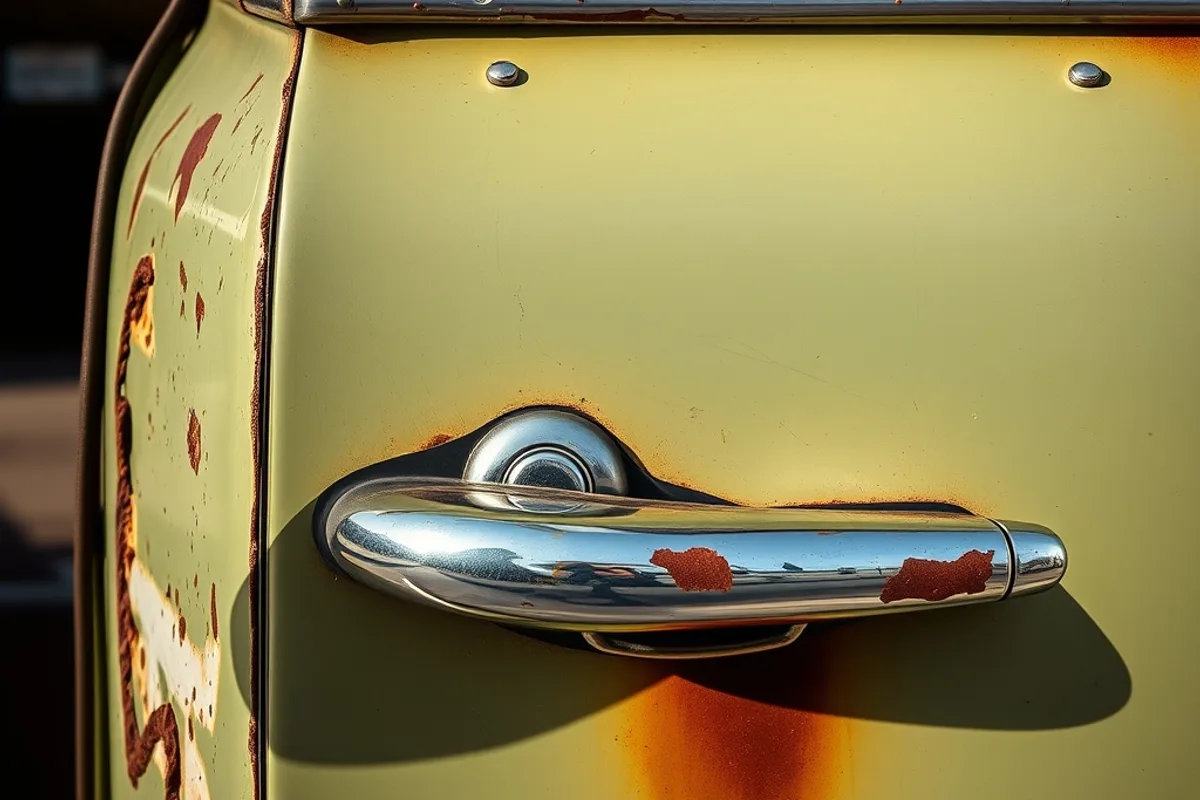
Genuine patina has depth. Paint fades in a way that follows the sun; chrome pits where water sat; leather creases where people sat. It is irregular but coherent. Artificial patina often looks uniform, applied rather than accumulated, and it rarely survives close inspection.
Mechanical neglect is a different problem. Old fluids, perished rubber, seized brakes and corroded fuel lines are not charming. A car can have beautiful original paint and still be unsafe to drive. The preservation philosophy is about keeping the appearance and history while restoring function.
That means a survivor should still be maintained. Brakes, tyres, suspension bushes and fuel systems need attention. The goal is not to freeze the car in 1968; it is to keep it usable without erasing the evidence of 1968.
The economics of not restoring
A full restoration is enormously expensive, often more than the finished car is worth. That has always been true, but the gap has widened as labour costs have risen and specialist skills have become scarcer. A survivor avoids that bill, at least initially.
Survivors also tend to hold their value well because they cannot be replicated. A restored car competes with other restored cars; an original car with a documented history is a one-off. That uniqueness appeals to buyers who already have a perfect car and want something with more character.
The trade-off is that survivors can be harder to insure and harder to sell to buyers who want a shiny finish. The market is narrower, but it is also passionate. If you buy for the right reasons, the lack of a restoration can be an asset rather than a compromise.
Preservation mechanics
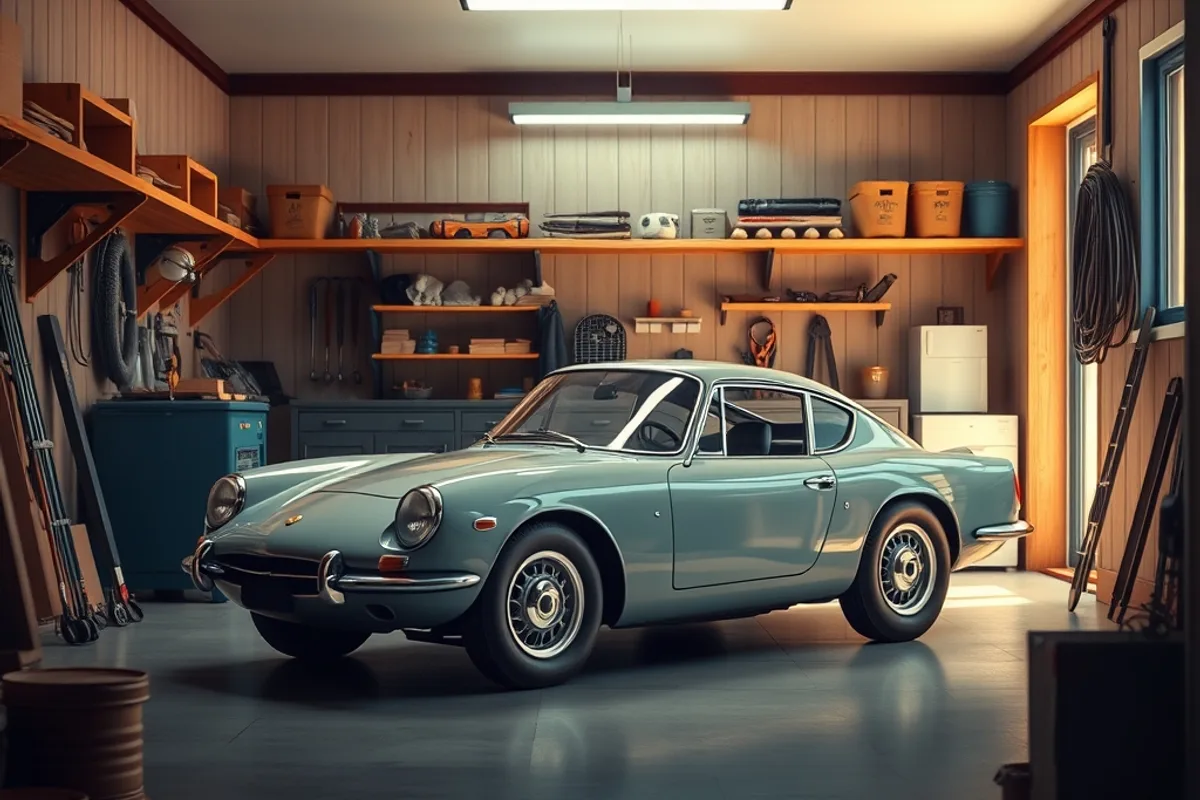
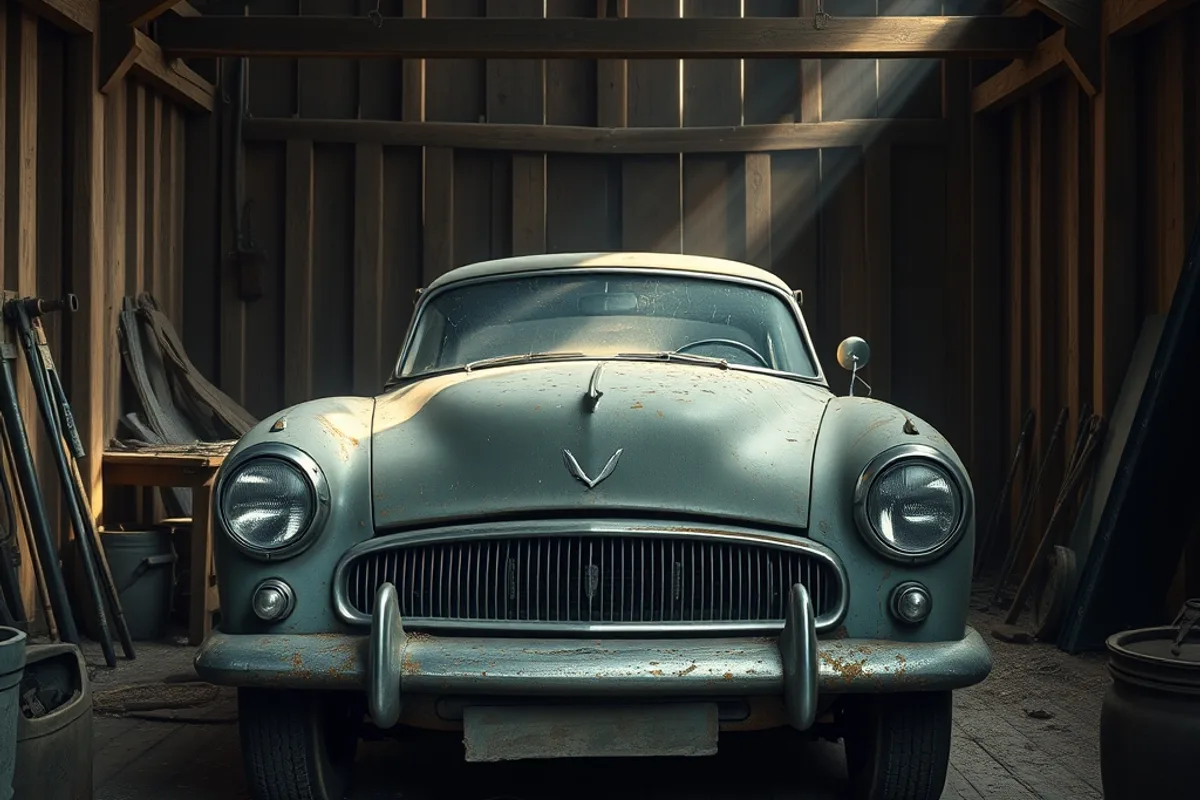
Preserving a survivor is an active discipline. Keep it dry, keep it clean and keep it moving. Damp is the enemy of steel and electrics; a dry, ventilated garage is worth more than any wax. Wash gently, avoid aggressive polishes that cut through the remaining paint, and protect bare metal with a suitable conservator rather than a modern clear coat.
Mechanically, replace what safety and reliability demand and keep the original parts. A rebuilt brake caliper is fine; a modern stereo cut into an original dashboard is not. Keep a file of every intervention so that the car’s story remains clear.
Document everything with photographs. Before and after images of a repair, receipts for parts and notes on the work done all add to the car’s credibility. In the survivor world, provenance is not just the factory build sheet; it is the evidence of careful stewardship.
“A restoration erases the evidence. Preservation asks you to be a custodian rather than an author.”
Jonah Reed
Buying a survivor without buying trouble
The romance of patina can hide serious problems. Inspect the structure first, especially the sills, floors and chassis legs. Original paint is wonderful until it is concealing deep corrosion. A magnet, a torch and a specialist inspection are still essential.
Ask why the car is being sold and how long the current owner has had it. A long-term owner with a folder of history is a better bet than a recent buyer with a fresh story. Check that the mileage is plausible and that the wear is consistent across the car.
Decide what you will tolerate. A cracked dashboard and faded paint may be part of the appeal; a leaking roof and non-functioning electrics are maintenance items. Make a list, price the work and negotiate from there. The best survivor purchase is one where the character is real and the bills are understood.
The case for leaving it alone
Not every old car needs to be saved into showroom condition. Sometimes the most interesting thing you can do is keep it running, keep it honest and let it age gracefully. That approach is cheaper, more sustainable and increasingly respected in the classic community.
It also changes the way you use the car. A perfect restoration can become too precious to park at the supermarket. A survivor with a few stone chips invites you to drive it, and driving is what keeps a classic alive.
The next owner may choose to restore it. That is their right. But once the original paint is gone, it cannot be replaced. Keeping a car original is a decision that preserves options, tells a story and reminds us that cars are not just objects to be perfected. They are things that happen to us, and the evidence is part of the value.
Frequently asked
Does patina increase a car’s value?
It can, particularly for rare or historically significant cars with documented originality. Value depends on condition, provenance and the model. A worn car with structural problems is not automatically valuable.
Should I clear-coat original paint?
Usually not. Modern clear coats can alter the appearance and trap moisture. Conserve the paint with gentle cleaning and appropriate products, and consult a specialist before applying anything permanent.
Can a survivor be driven regularly?
Yes, provided the brakes, tyres, fuel system and structure are sound. Regular use helps prevent the deterioration that comes from long storage. Keep up with maintenance and monitor for leaks and corrosion.