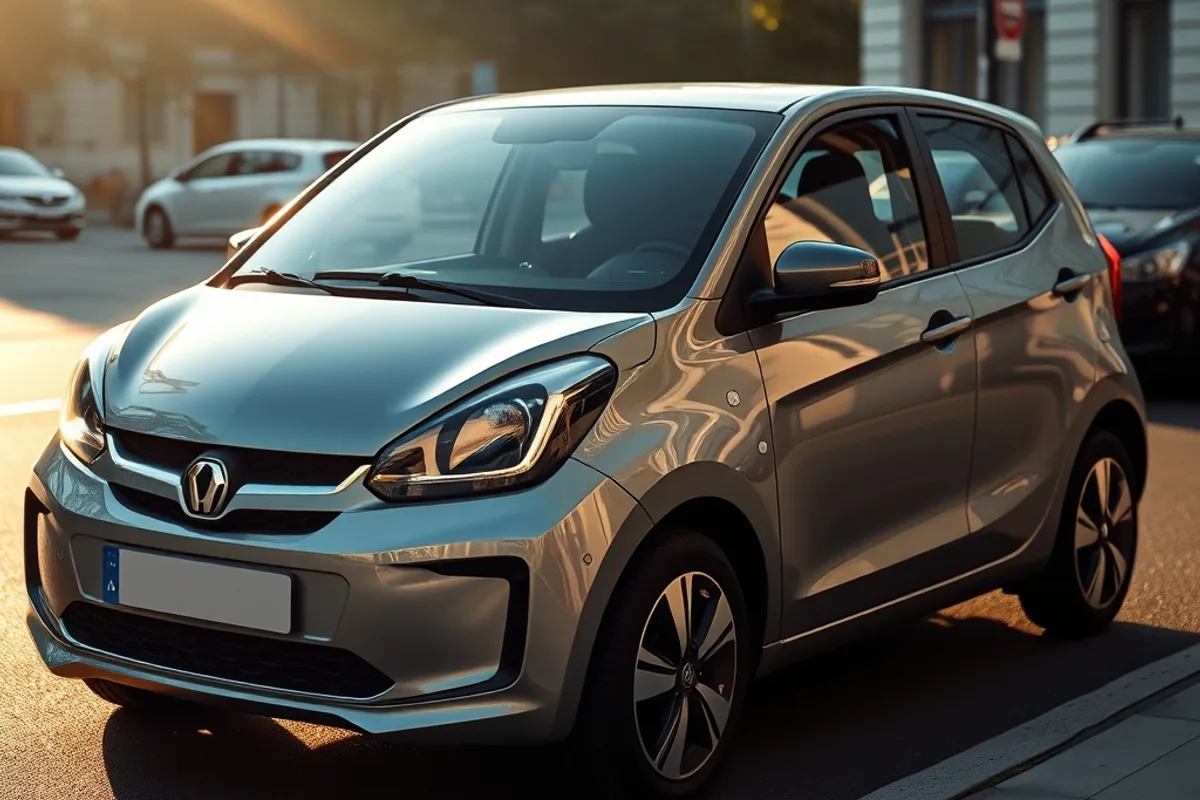
A full forecourt changes the mood of a dealership. Salespeople have cars to sell, managers have targets to hit, and the customer who did their homework suddenly has something they did not have a few years ago: a little leverage.
The lot looks different than it did
For a stretch, buying a new car felt like requesting a favour. Stock was thin, popular models were spoken for before they arrived, and “market adjustment” became a polite term for paying more than the sticker. That period is fading in many markets, though the recovery is uneven.
The cars that are plentiful tend to be the ones manufacturers prioritised during the shortage: mid-size SUVs, crossovers and well-equipped family vehicles. The scarce ones are often the cheapest trims, manual gearboxes, long-range electric models and anything with a cult following. A full lot does not mean every car is available at a discount.
It also does not mean every dealer is motivated. Some are still working through aged orders and protected margins. The useful skill is reading the lot: how long a car has been sitting, how many similar units are in stock, and whether the dealer is carrying inventory it needs to move before the end of the month or quarter.

Discounts are back, but not everywhere
Manufacturer incentives have returned in familiar forms: low-rate finance, cash bonuses, lease support and subsidised servicing. These are often more valuable than a small reduction in the sticker price, because they reduce the cost of borrowing or ownership rather than simply moving money around the deal.
Dealer discounts are a different animal. A dealer can only give away margin it actually has, and margin varies by model, age of stock and local competition. The strongest position is a specific car, a specific price and a comparable quote from another dealer. Vague interest invites a vague offer.
Be careful with the trade-in. A generous discount on the new car can be funded by a low valuation on the old one. Separate the two transactions in your mind, get an independent valuation, and negotiate the new-car price before discussing the trade.

The used-car overlap
New-car inventory does not exist in isolation. As new supply improves, more part-exchange vehicles flow into the used market, and prices on late-model used cars tend to soften. That is good news for buyers who are willing to let someone else absorb the first year of depreciation.
The sweet spot is often a two- to four-year-old car with average mileage and a full service history. It has taken the steepest depreciation hit, it still has modern safety equipment, and it is old enough for common faults to be documented. The risk is that the best examples sell quickly, so you need to be ready to move.
Certified pre-owned programmes can add warranty and inspection value, but they are not all equal. Read what is actually covered, for how long, and at which workshops. A thorough third-party inspection is still worthwhile on any used car, even one wearing a dealer badge.


Ordering versus buying off the lot
Ordering lets you specify the car you want, but it introduces waiting and uncertainty. If the market moves while you wait, you may find yourself locked into a price that no longer looks competitive. Dealer stock, by contrast, is a known quantity: you can drive it, inspect it and take it home.
A good compromise is to search dealer inventory across a wider area for the exact specification you want. The savings from buying a car that is already in stock can outweigh the convenience of ordering, particularly at the end of a quarter when targets are close.
If you do order, put the essentials in writing: the out-the-door price, the deposit terms, the estimated delivery window and what happens if the car arrives late or with a different specification. Verbal assurances are not a contract.
“Inventory is leverage. But leverage only works when you are willing to walk to the next lot.”
Marcus Vale
What to negotiate now
With supply healthier, the list of negotiable items has grown. The priority order should be the price of the car, the finance rate, the trade-in value and then the extras. Dealer-added products such as ceramic coating, gap insurance and extended warranties are usually the most profitable items in the deal and the easiest to decline or buy elsewhere.
Ask for the annual percentage rate in writing, not the monthly payment. A longer term can make a bad rate feel affordable while increasing the total interest substantially. If you have a pre-approved loan from a bank or credit union, use it as a benchmark.
Finally, give yourself a deadline that is not the salesperson’s. Month-end targets are real, but so is the cost of buying the wrong car because you felt rushed. A full lot will still be there next week.
A calmer market rewards preparation
The return of inventory does not mean the return of careless buying. Prices are still high relative to incomes, repair costs are rising, and the gap between a good deal and a mediocre one is often a few hundred dollars of preparation.
Build a shortlist of three cars, get insurance quotes before you shop, arrange finance in advance and inspect anything used. Then negotiate the total cost rather than the monthly figure. That approach works in a tight market and works even better in a looser one.
The psychological shift matters as much as the financial one. Buyers no longer need to accept the first available car. They can compare, wait a week and choose the specification that suits them. In a market that spent years telling people to be grateful for anything, that is a quiet but significant change.
Frequently asked
Are dealer markups still happening?
On scarce models, yes. On high-volume cars sitting in stock, markups are much harder to justify. Ask for a breakdown of every charge and compare with another dealer before agreeing.
Is it better to buy at the end of the month?
Sometimes. Sales targets can create genuine flexibility in the last days of a month or quarter, but only if the dealer has the car you want. Do not let a deadline push you into the wrong specification.
Should I take the dealer’s extended warranty?
Compare coverage, exclusions and price with a third-party policy. Many extended warranties are profitable add-ons rather than good value. If you want one, read the terms carefully and check who performs the repairs.