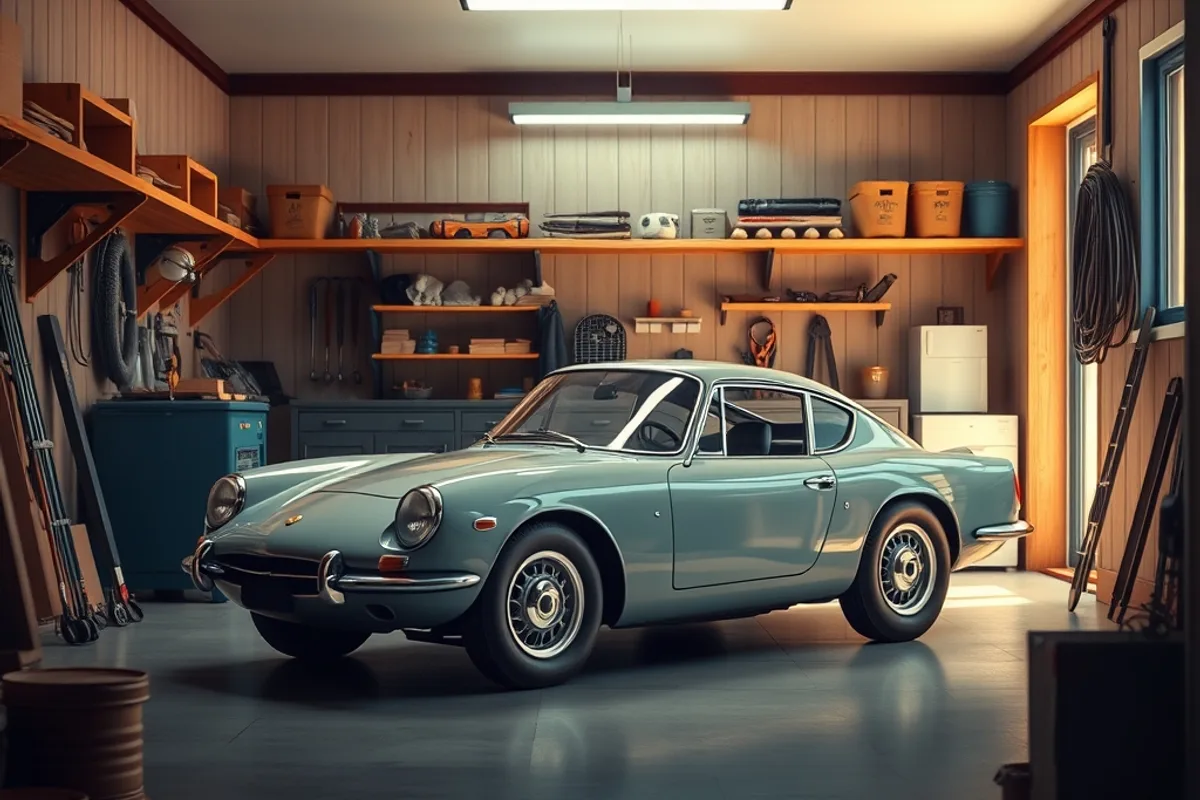
A vintage car is not judged by how it looks in photographs. It is judged by whether it starts on a cold morning, whether the brakes pull straight and whether the person who sold it told you the truth about the sills.
Start with the use case, not the model
The first question is not “which car do I want?” but “what do I actually want to do with it?” A car for weekend coffee runs and the occasional show has different requirements from one that will cover a thousand miles through Europe. Air conditioning, overdrive, parts availability and seating capacity all change the ownership experience.
Be honest about your skills and your space. A car that needs a specialist for every adjustment is a different proposition from one with a strong enthusiast network and widely available parts. A garage is not essential, but a dry place to work and the tolerance of your household very nearly are.
There is also the question of pace. Some classics are happiest at 50 mph on a country road. Others will sit at modern motorway speeds without complaint. Choose the car that suits the roads you love, not the fantasy of the road you imagine.
Rust is the budget
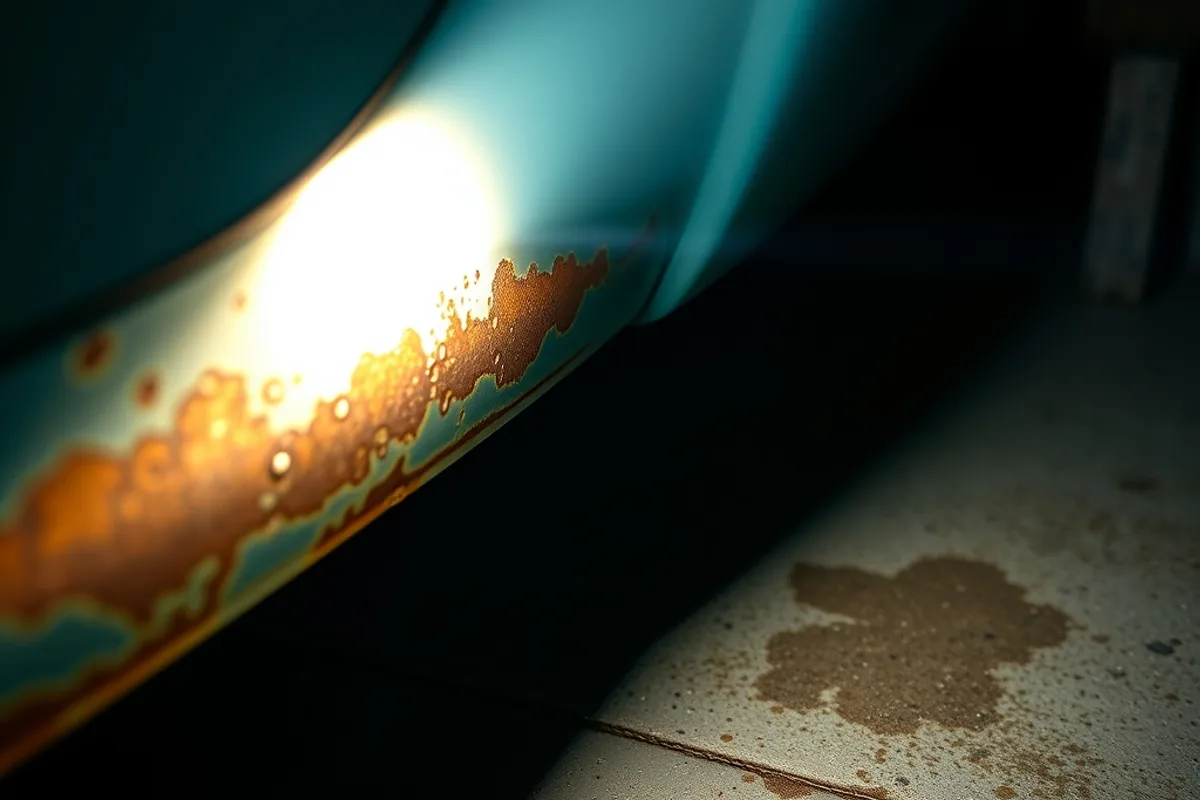
Mechanical parts can be rebuilt. Rust changes the economics of a project entirely. Sills, floors, wheel arches, jacking points, the base of the windscreen and the boot floor are the places to inspect first. Bring a torch, a magnet and a screwdriver, and be suspicious of fresh underseal on a car that is otherwise tired.
A magnet will not stick to filler. That is useful, but it is not proof: a skilled bodyworker can shape steel beautifully, and a magnetic panel can still be hiding a patch. Look at panel gaps, the symmetry of the car and the condition of the paint in the shut lines. Uneven gaps often tell a story that the seller will not.
If you are not confident, pay for a specialist inspection. It is the cheapest money you will spend on a classic. A report that identifies a rotten floor is a negotiating tool; a report that reveals a twisted shell is a reason to walk away.
Mechanical honesty
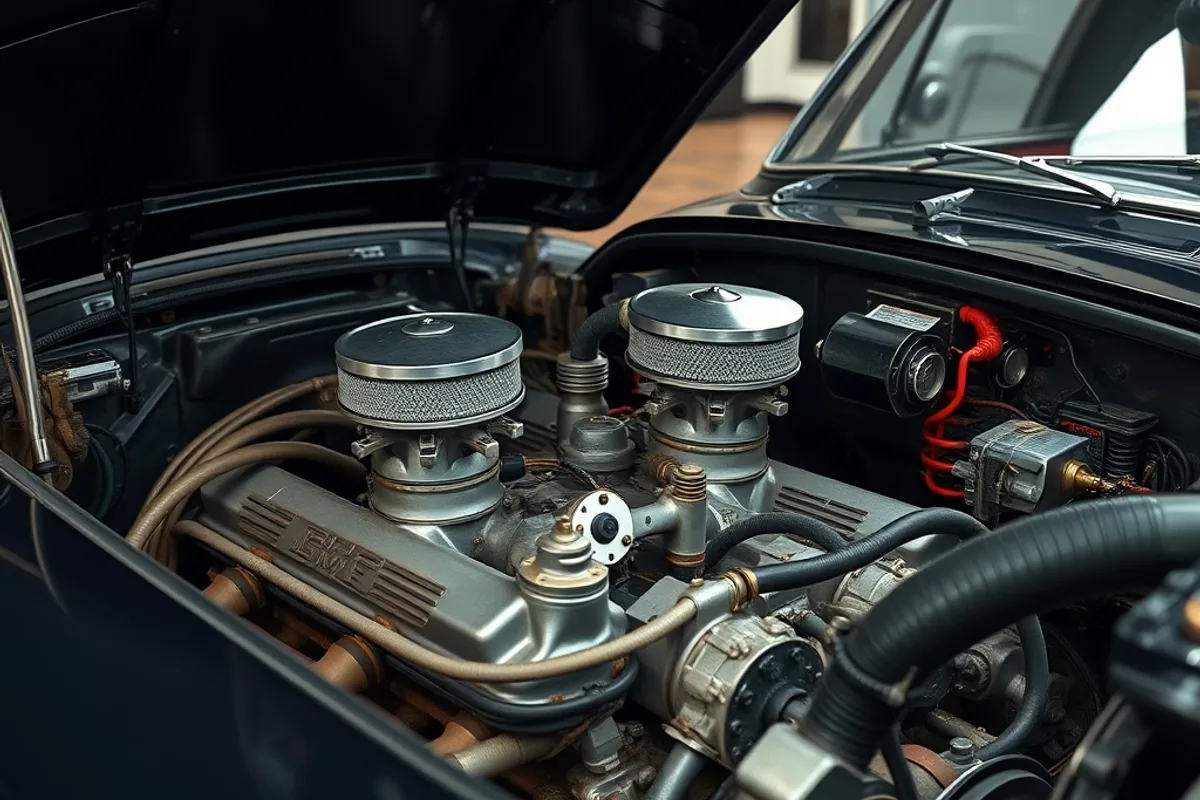
A classic engine is a collection of compromises, and many have been modified over the decades. Ask what has been changed, who did the work and whether the original parts are available. A rebuilt engine with receipts is a plus. A mysterious rebuild with no documentation is a question mark.
Start the car from cold if you can. A seller who has warmed it up before you arrive may be hiding a cold-start problem. Listen for rattles, watch for smoke, and check that the gauges behave sensibly once the engine is running. Then take a test drive long enough to get the car fully warm and to use the brakes properly.
Check the brakes, steering and suspension with the same skepticism. Old rubber bushes, tired dampers and corroded brake lines are common. None of them is necessarily a dealbreaker, but each has a cost. Add those costs to the purchase price before you decide the car is a bargain.

Paperwork and provenance
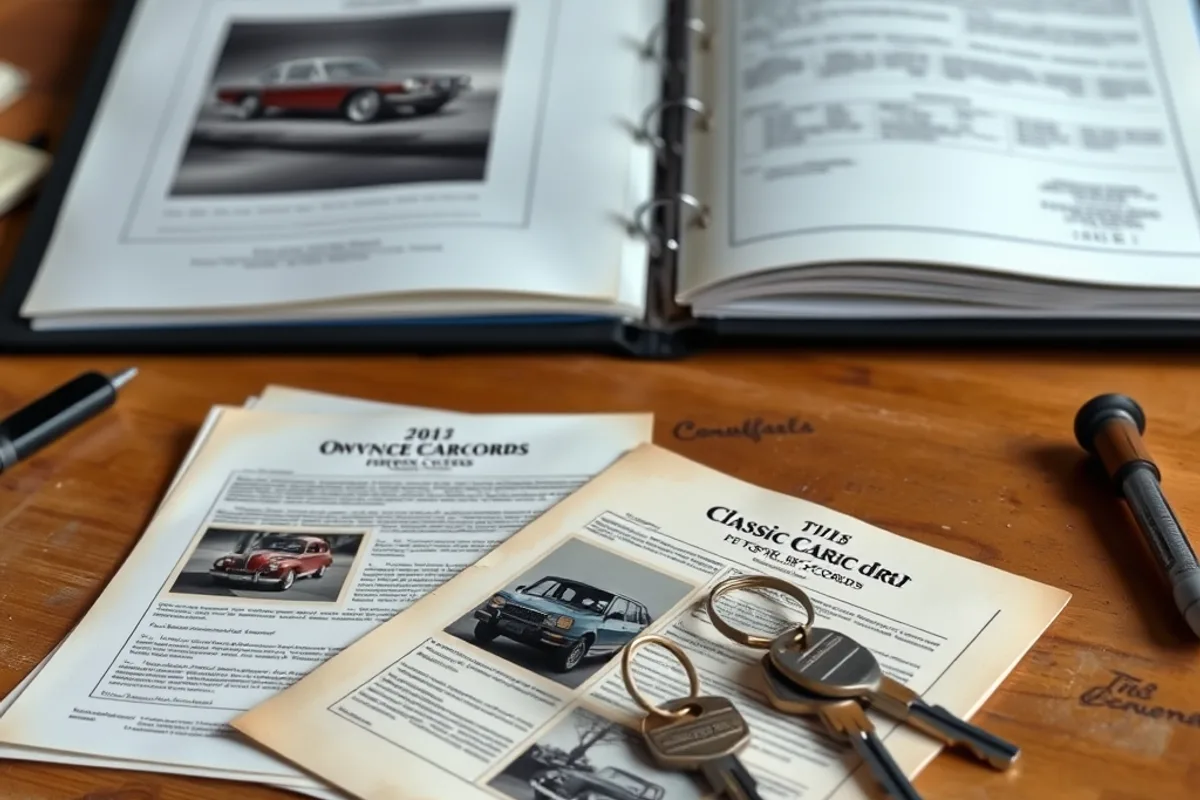
The file is part of the car. Service records, old invoices, photographs, the original handbook and the registration documents all help establish history and value. A well-documented car is easier to insure, easier to sell and easier to trust.
Provenance is not only about celebrity ownership. A long-term owner who kept meticulous records can be more valuable than a famous name with a patchy file. Look for continuity: MOT or inspection records, tax discs, workshop stamps and a logical story that matches the condition of the car.
Check the chassis and engine numbers against the documents. Confirm that the car is not subject to an outstanding finance agreement or a theft marker. If the seller is vague about paperwork, treat that as a warning rather than an inconvenience.
The pre-purchase inspection
A pre-purchase inspection by a marque specialist is not a formal guarantee, but it is the best available snapshot of condition. Ask for a compression test, a look at the structure and a road test. A good inspector will tell you what the car needs now, what it will need soon and what is simply characteristic of the model.
Use the report to negotiate, not to demand perfection. Every classic has a list. The question is whether the list is priced into the car. If the seller will not allow an inspection, that is information in itself.
Budget a contingency of at least ten to fifteen percent of the purchase price for the first year. Even a sound car will reveal small issues once you start using it. A fuel pump, a set of tyres, a battery and a service can add up quickly.
“Buy the best car you can afford, then spend the first year making it reliable rather than prettier.”
Jonah Reed
The first 500 miles
The first weeks of ownership are a shakedown. Change the fluids, inspect the belts and hoses, check the brakes and tyres, and carry a basic toolkit. Drive locally before you attempt a long trip. Learn the car’s habits: its temperature gauge, its oil pressure, the sound it makes over a particular bump.
Join the owners’ club for your model. The collective knowledge is usually more valuable than any single manual, and members often know which specialists are honest and which parts are worth buying. A club forum can save you a fortune in avoided mistakes.
Finally, resist the urge to restore everything at once. A classic that is used regularly stays healthier than one that is dismantled for years. Fix what is unsafe or unreliable first, then improve the rest as time and budget allow. The goal is a car that earns its place in the garage, not a museum piece that never turns a wheel.
Frequently asked
Should I buy a restored car or an original one?
It depends on your goal. A well-restored car can be more usable, but quality varies enormously. An original car may be more honest but need more work. Inspect either with the same rigor and ask for documentation.
How much should I budget for maintenance?
Set aside at least ten to fifteen percent of the purchase price for the first year, plus regular servicing. Specialist models with scarce parts can cost considerably more. Get quotes for common jobs before you buy.
Can I use a classic car regularly?
Yes, if it is mechanically sound and you keep up with maintenance. Regular use often prevents the problems that come from long storage. Choose a model with good parts availability and a supportive owners’ community.