Star ratings are designed to make a complicated subject readable in a showroom. They work as a starting point, but they cannot tell you how a car will behave in your driveway, with your family, on the roads you actually drive.
What the stars actually measure
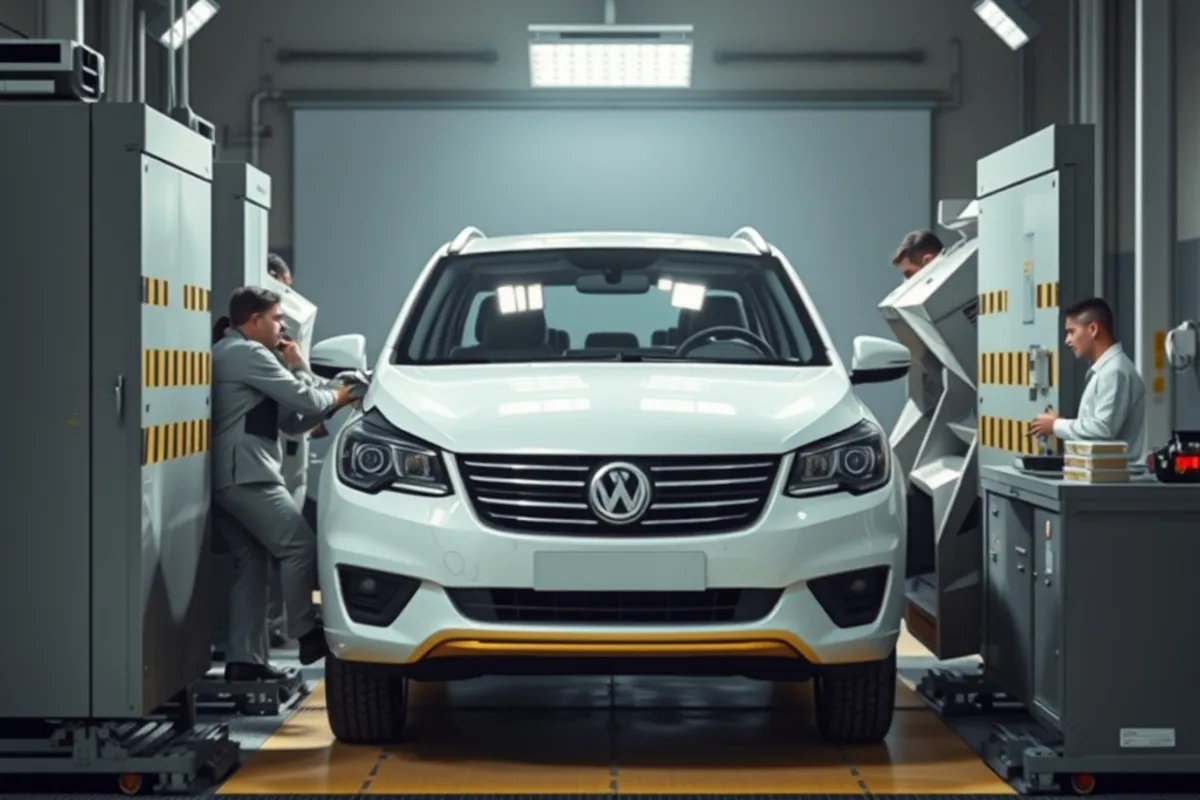
Independent crash-test programmes vary by region, but most combine frontal, side and pedestrian protection with some assessment of safety assistance systems. The overall score is a weighted summary: a car can earn five stars while still being weaker in one specific test than a competitor.
That is why the detail matters. Look at the individual scores for adult occupant protection, child occupant protection, vulnerable road users and safety assist. A car that scores well for adults but poorly for pedestrians may be a reasonable choice for a highway commuter and a less good one for a city with narrow pavements and busy crossings.
The year of the test matters too. Protocols become stricter over time, so a five-star result from several years ago is not directly comparable with a current result. When you are buying used, check the test date and the protocol version, not just the badge on the windscreen.
The tests that do not make the sticker
Several important scenarios sit outside the headline rating. Rear-impact protection, which affects whiplash and neck injuries, is assessed in some programmes but rarely features in showroom conversations. Pedestrian detection in poor light, cyclist detection and performance in rain are other areas where systems differ widely.
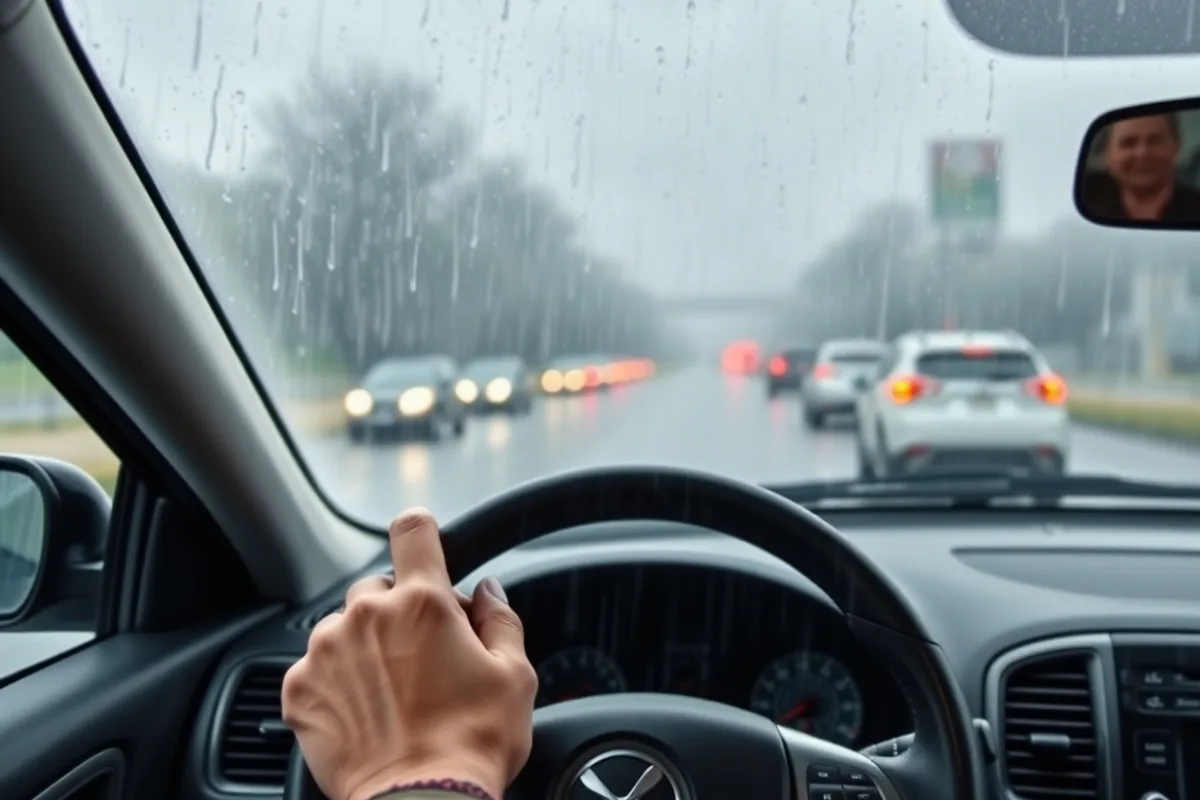
Then there is the question of robustness. A driver-assistance system that works beautifully on a dry motorway may disengage in heavy rain or low sun. That is not necessarily a failure, but it changes the way you should use it. The best systems communicate their limits clearly rather than pretending to be infallible.
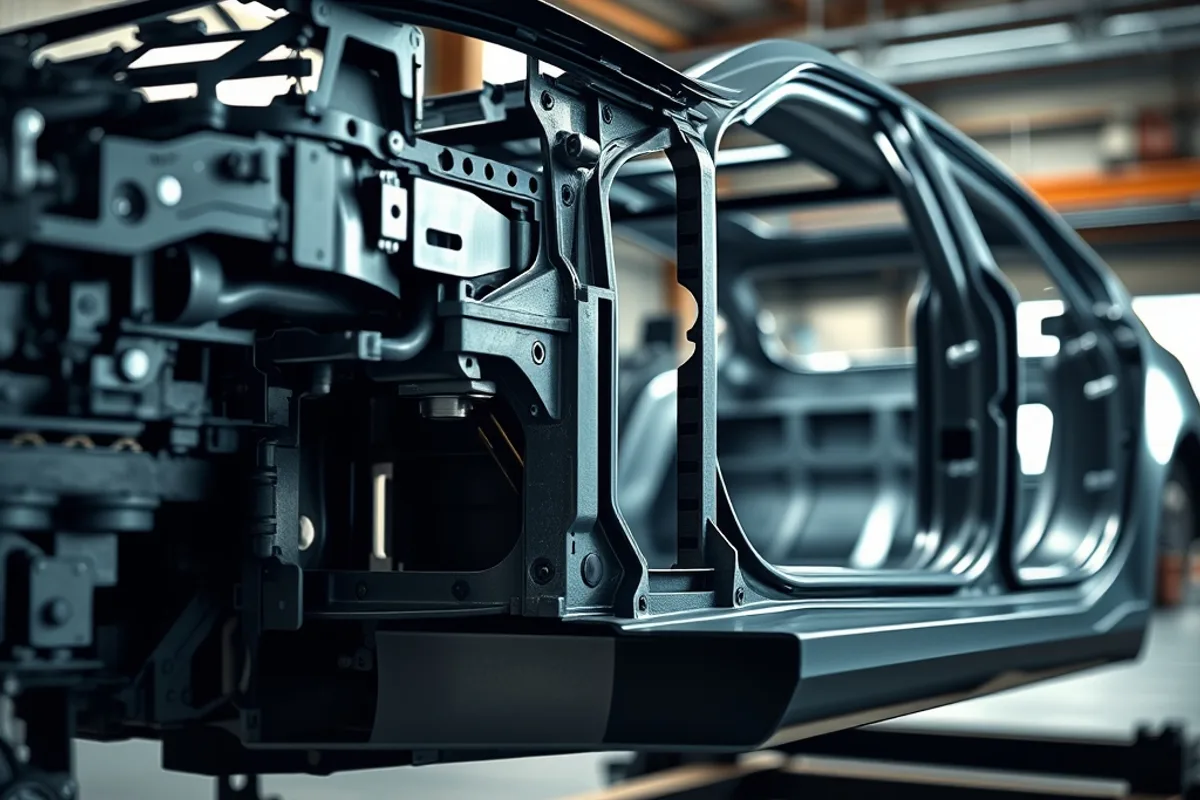
Compatibility between cars also matters. A small car with excellent self-protection still has to absorb the energy of a much heavier vehicle. Mass is not a safety feature in isolation, but it is a real factor in two-car collisions and should be part of the conversation for families who spend a lot of time on fast roads.
Size, mass and the other car
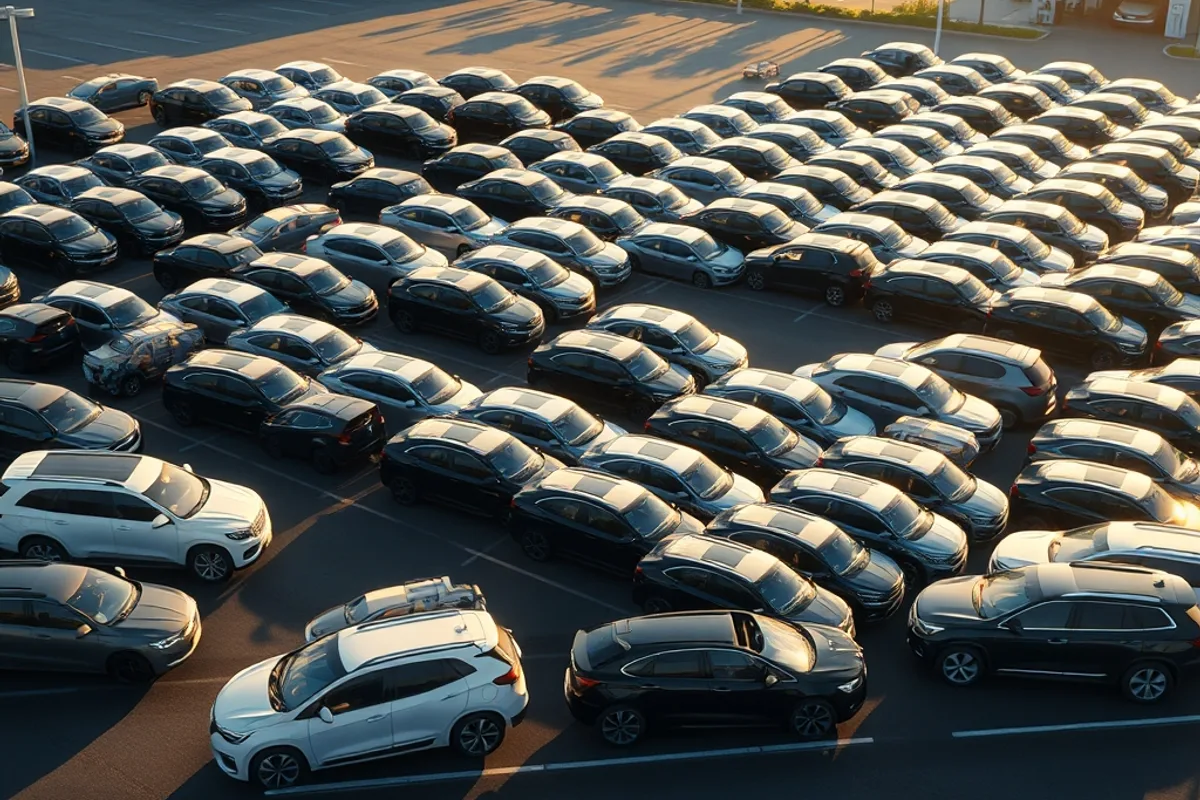
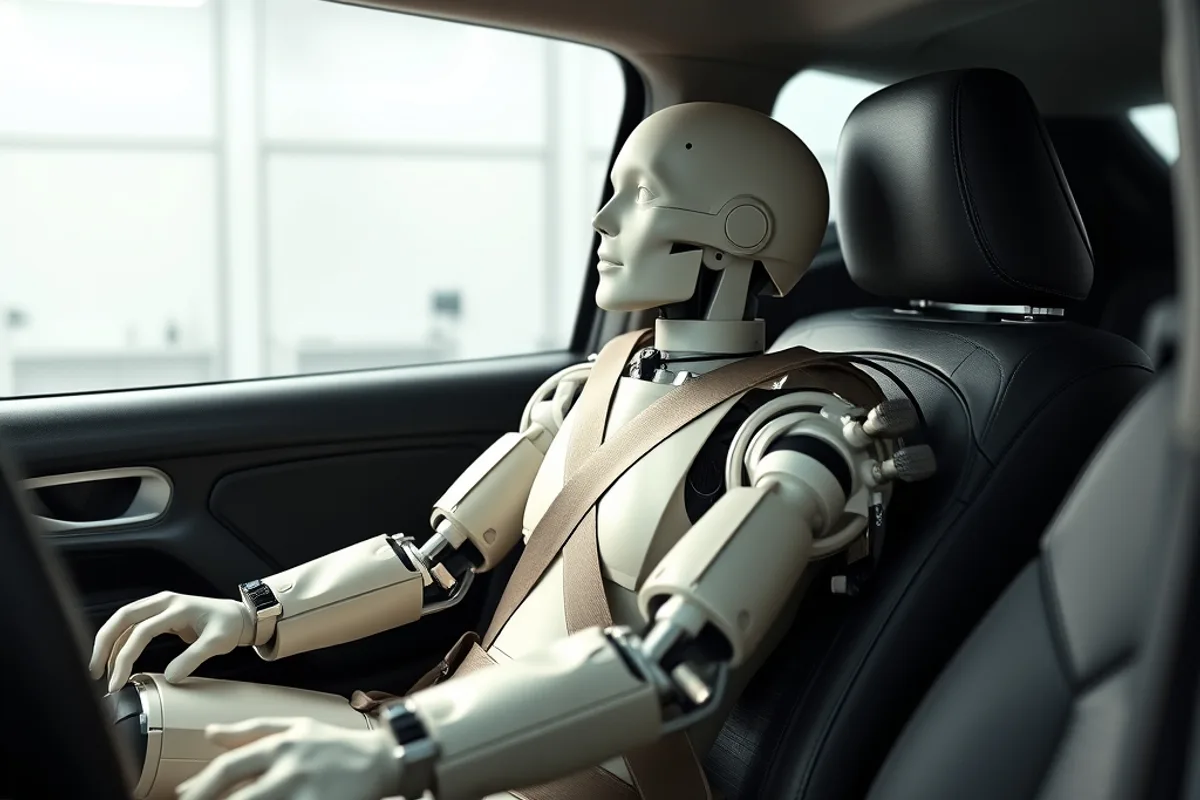
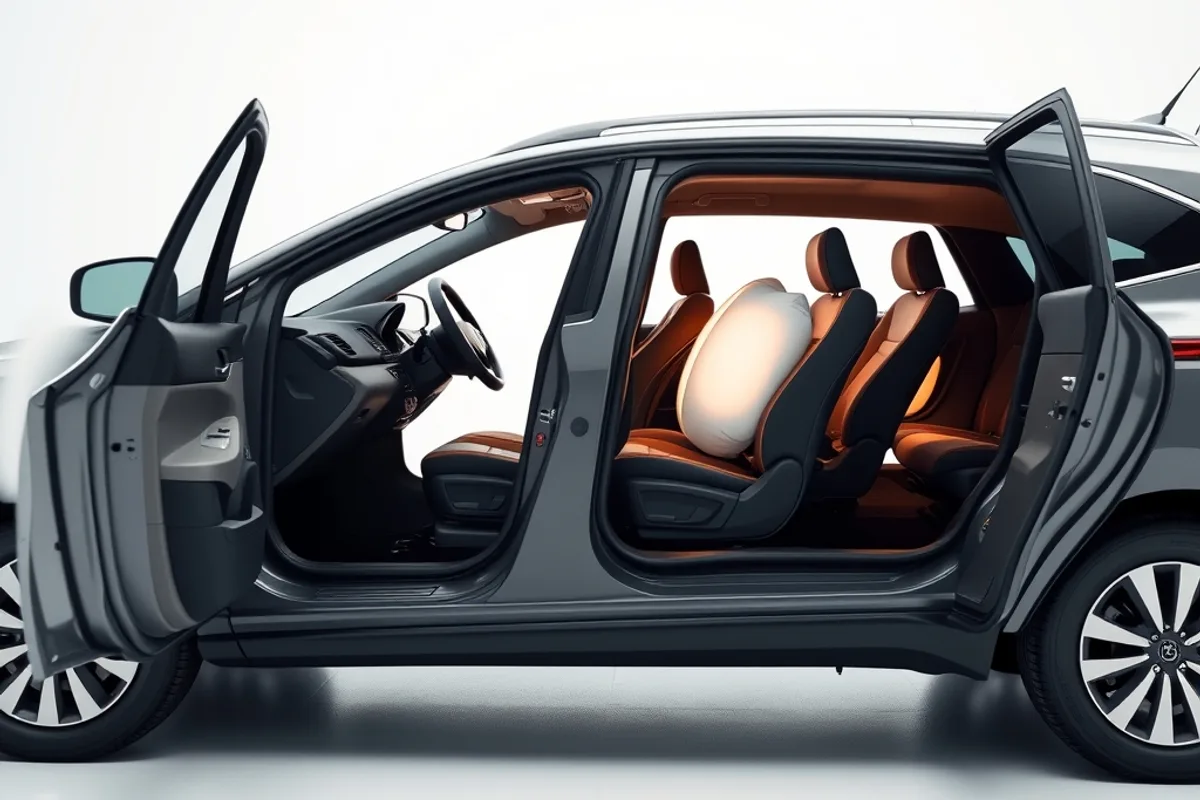
Physics does not care about marketing. In a collision between a light compact and a heavy SUV, the occupants of the lighter car generally experience larger decelerations. Modern structures and airbags can narrow the gap, but they cannot erase it entirely.
This does not mean everyone should buy the heaviest vehicle available. Large cars bring their own risks: longer stopping distances, reduced visibility for others, and a greater threat to pedestrians and cyclists. The sensible question is not “which car is safest for me?” but “which car is safe for me and the people around me?”
For most households, a mid-size car with a strong structure, good child-seat provisions and effective automatic emergency braking is a better all-round choice than an oversized vehicle bought for reassurance alone. Match the vehicle to the roads and the passengers, not to a fear-based sales pitch.
The safety you can inspect yourself
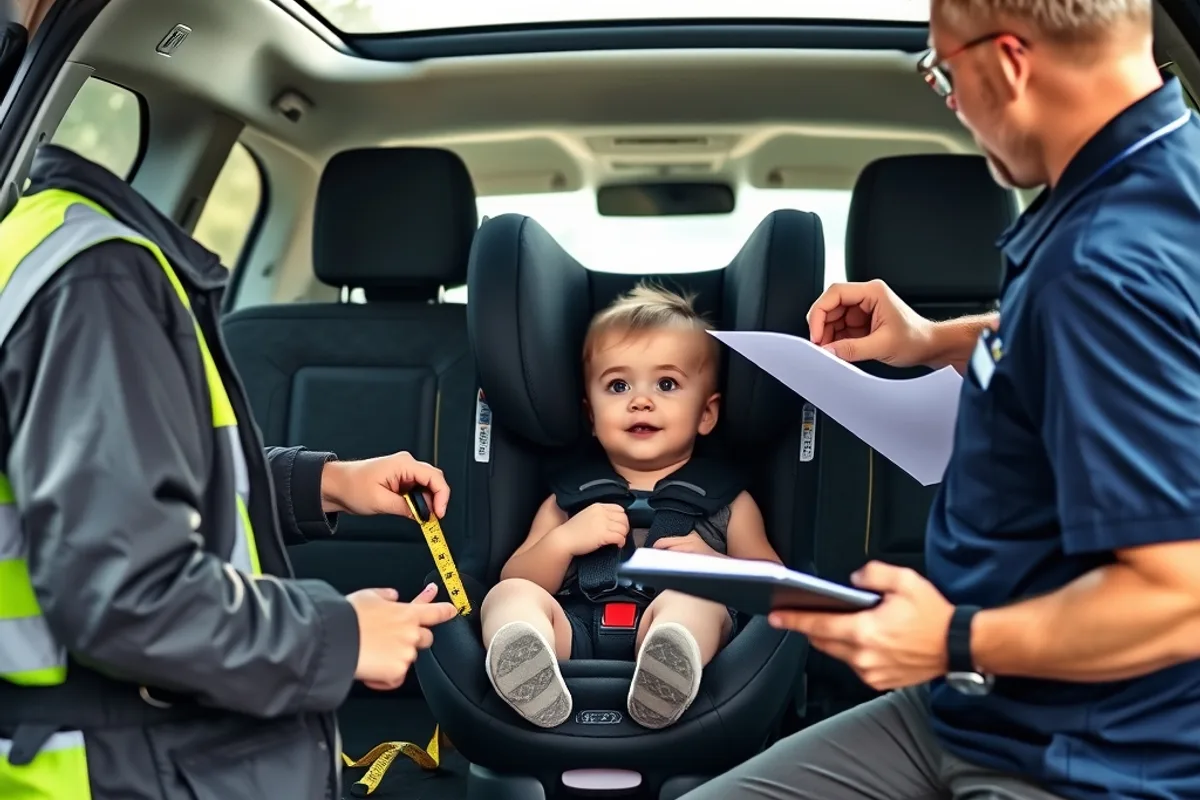
Some of the most important safety features are visible without a laboratory. Sit in the back seat and check that child restraints can be fitted cleanly, that the seatbelts are easy to reach and that the head restraints adjust to the right height. A centre rear seat with a full three-point belt and a proper head restraint is worth more than a decorative sunroof.
Open the boot and look at the space behind the rear seats. A heavy, unsecured item becomes a projectile in a sudden stop. Check whether the car has a parcel shelf, tie-down points or a cargo net. Families who routinely carry prams, tools or shopping should think about load security as part of the safety package.
Tyre condition is another inspection you can do today. Correct pressure, adequate tread and matching tyres across an axle affect braking and stability more than many electronic aids. A car with worn budget tyres and a five-star rating is not a safe car in the rain.
Driver aids are not a substitute for attention
Automatic emergency braking, lane keeping and adaptive cruise control can reduce the severity of some crashes, but they are assistance systems, not autonomy. Their performance varies by speed, weather, road markings and the shape of the obstacle. A pedestrian stepping out from between parked cars remains a genuinely difficult problem.
The danger is complacency. Drivers who trust a system too much may react more slowly when it fails, and the handover period can be confusing. Read the manual, understand which functions are active at which speeds, and practise in a safe environment. If the car beeps or nudges the wheel, treat it as information rather than an annoyance.
There is also a maintenance dimension. Cameras and radar sensors need clean, unobstructed surfaces. A cracked windscreen or a mud-covered sensor can disable a system without an obvious warning. Include those checks in your routine, especially before a long winter drive.
“The safest feature in any car is still a driver who is paying attention and willing to be wrong.”
Elena Frost
A five-minute pre-purchase safety audit
When you are comparing cars, use a simple audit rather than relying on the badge. It will not replace a professional inspection, but it will reveal whether the basics have been thought through.
- Check the test date and the individual category scores, not just the overall star count.
- Sit in every seat you will use and fit the child seats you actually own.
- Confirm that head restraints adjust and that every rear seat has a proper belt.
- Look for a full set of electronic stability control, automatic emergency braking and tyre pressure monitoring.
- Inspect the tyres for matched brands, tread depth and correct pressure.
- Ask how the driver aids behave in rain, darkness and low-speed traffic.
Putting the score in context
A star rating is a compressed summary of a complex set of tests. It is valuable because it is independent and comparable, but it is not a guarantee. The same car can be safer or less safe depending on its tyres, its load, its driver and the roads it uses.
The practical approach is to start with a good rating, examine the detail, and then consider the humans who will travel in the car. If the child seat fits, the head restraints work, the tyres are decent and the driver understands the aids, you have covered more ground than most buyers ever do.
Safety is not a feature you tick once at purchase. It is a set of habits and maintenance decisions that continue for as long as you own the car. The rating helps you choose the starting point. Everything after that is up to you.
Frequently asked
Is a five-star car always safer than a four-star car?
Not necessarily. The rating is a weighted summary from a specific test year. A newer four-star car may outperform an older five-star car in some scenarios, and individual category scores can differ significantly.
Do heavier cars protect their occupants better?
In general, mass helps in a collision with a lighter vehicle, but it also increases the risk to others and can lengthen stopping distances. Structure, restraints and driver behaviour matter just as much.
Can I rely on automatic emergency braking?
No. It is a useful backstop that can reduce the severity of some impacts, but it does not detect every obstacle in every condition. Treat it as assistance and remain ready to brake.