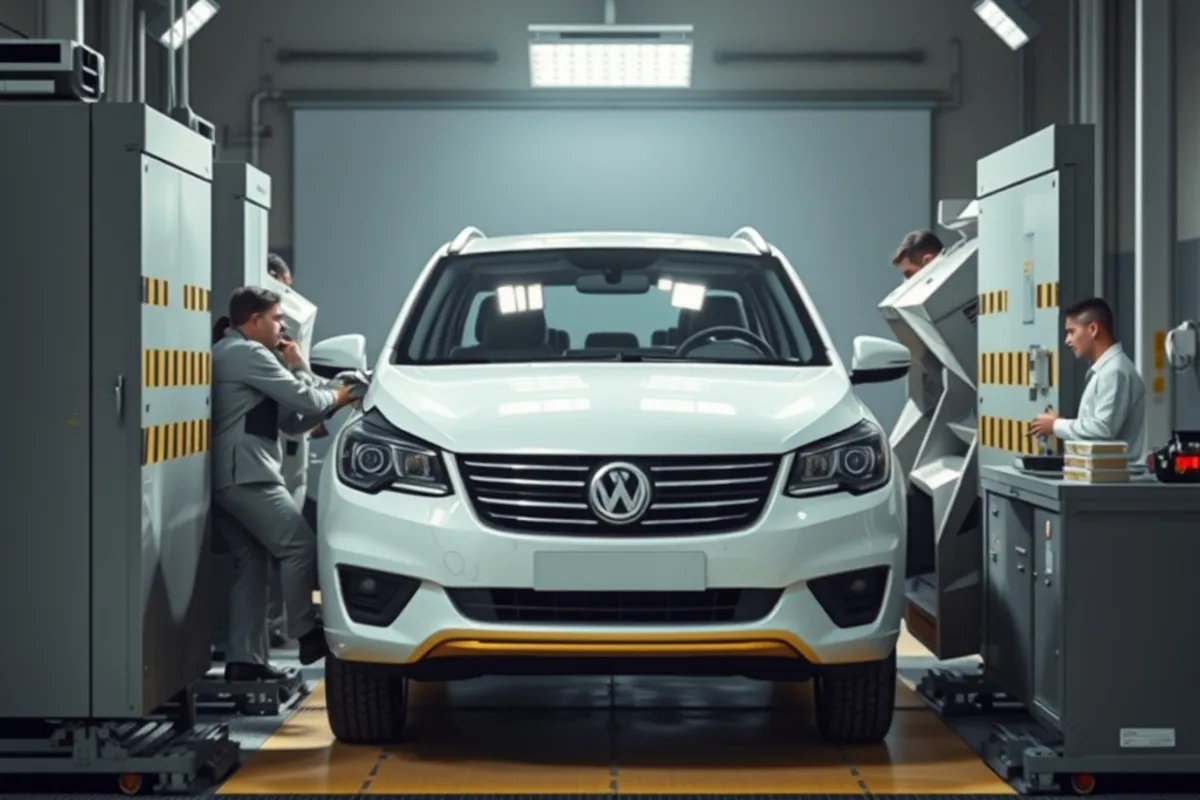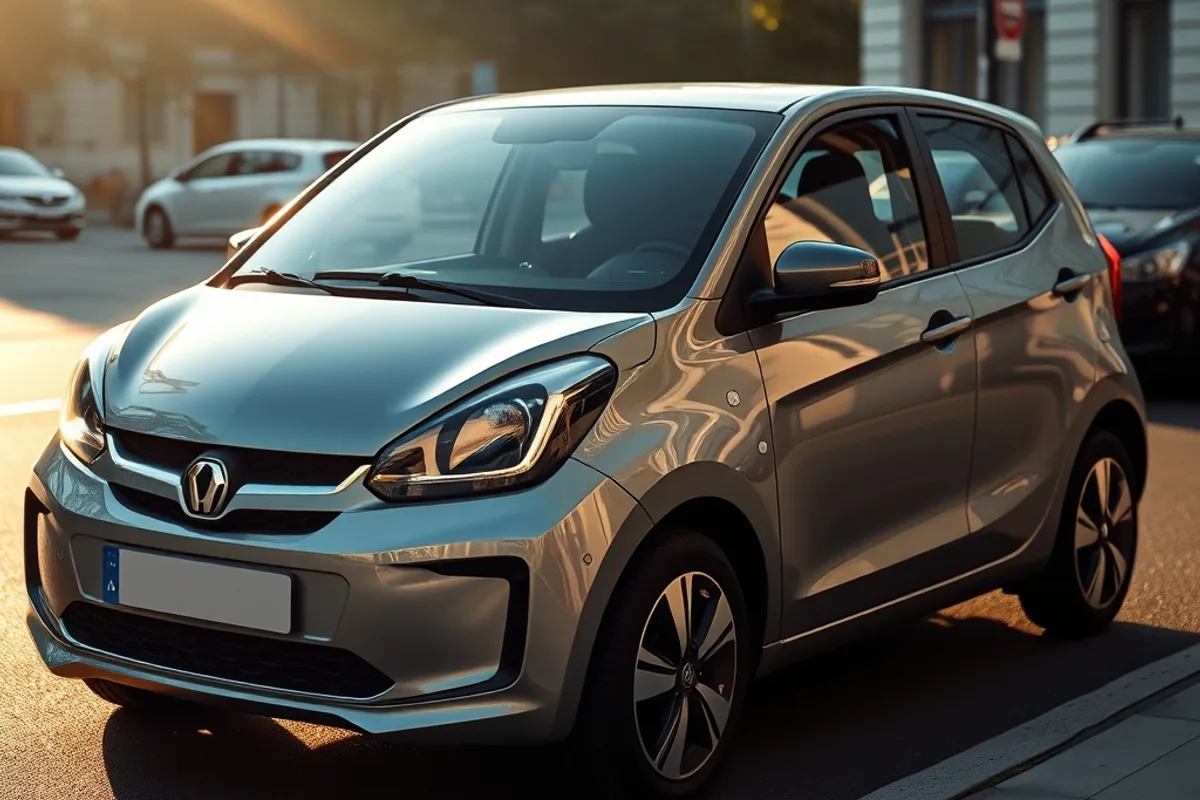
The most consequential cars of the 2027 model year will not be the ones with the biggest screens. They will be the ones that make the payment, the insurance premium and the fuel bill add up to something a normal household can live with.
Why the cheap car is back in focus
For several years, the entry point to new-car ownership drifted upward. Features that were once optional became standard, trim levels multiplied, and the smallest hatchbacks quietly disappeared from some showrooms. The result was a market where a sensible compact could easily be specified into the price of a larger car.
That approach is running into a wall. Interest rates have made the monthly payment the number buyers actually negotiate, and insurers have become far more interested in repair costs than in horsepower. Manufacturers are responding by simplifying: fewer trim levels, smaller wheels, cloth instead of leather, and engine ranges built around efficiency rather than a flagship halo model.
The shift is not nostalgia for bare-bones motoring. It is a recalculation of where value sits. A car with a reliable hybrid powertrain, decent safety equipment and a cabin that will survive three children is a more persuasive product than one with a panoramic roof and a subscription for heated seats.
What “affordable” actually means in 2027
Sticker price is the least useful number in the conversation. The figure that matters is the cost of keeping the car for four or five years: depreciation, insurance, fuel or electricity, tires, servicing and the occasional surprise. Two cars with the same list price can differ by thousands over a typical ownership cycle.
Depreciation is usually the largest single cost, and it is heavily influenced by how a car is positioned. A high-volume trim with a sensible specification tends to hold value better than a loaded flagship that nobody wants to buy used. Insurance follows repair complexity, so bumpers packed with sensors and expensive headlamps can undo a fuel saving in a single claim.
This is why the 2027 playbook looks conservative. Buyers are being nudged toward the middle of the range, where the equipment is useful and the repair bills are not exotic. That is not a compromise so much as a correction.
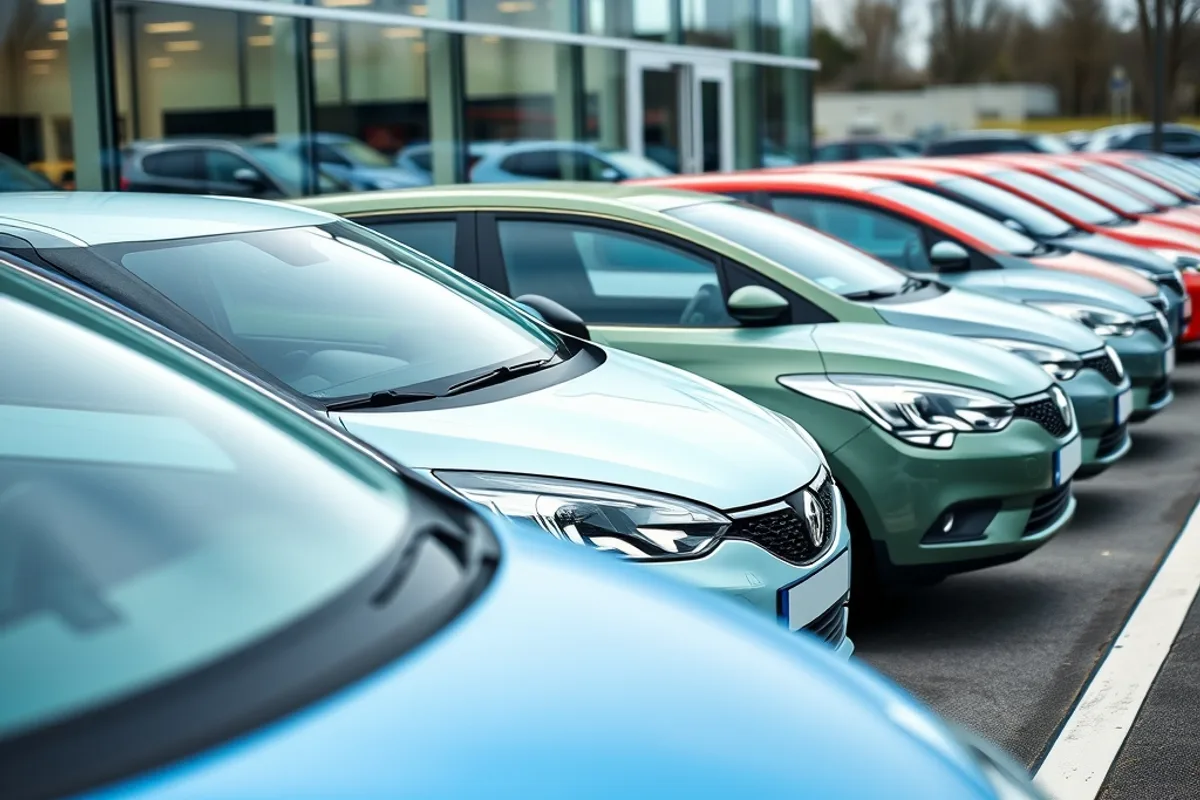
The hybrid hangover and the small-engine revival
The industry spent years promising that electrification would make everything cheaper. It has made some cars cheaper to run, but it has not made them cheaper to build. Battery capacity is expensive, and adding a large battery to a small car rarely produces a small price.
The more interesting movement is the return of the modest petrol engine paired with a small electric motor. These systems are not glamorous, but they capture much of the efficiency benefit in stop-start traffic without demanding a huge battery or a charging routine. For households without a driveway, that is often the difference between a workable car and an inconvenient one.
At the same time, three-cylinder engines have become genuinely refined. The best of them are smooth enough that buyers stop noticing the cylinder count and start noticing the fuel economy. The catch is that small engines reward gentle driving and can feel strained when fully loaded on a long climb, so a test drive with the whole family aboard is worth more than a solo loop around the block.

Software is where the margin hides
The cabin has become a computer with seats, and that changes how cars are priced. Manufacturers are experimenting with subscriptions, feature unlocks and connected services because software has a much better margin than steel. Buyers, understandably, are skeptical.
The practical question is not whether a car has an app. It is whether the functions you use every day will still work when the free trial ends. Heated seats, navigation, remote start and driver-assistance features have all appeared behind paywalls in recent years. Before signing, ask which features are included for the life of the car and which require a recurring payment.
There is also a maintenance dimension. Over-the-air updates can fix problems without a workshop visit, but they can also change how a car behaves after you bought it. A transparent update policy is becoming as important as a service schedule.
“The monthly payment is only half the story. The other half is what the car asks of you after you sign.”
Marcus Vale
Five questions to ask before you order
A launch-year car is always a gamble on someone else’s quality control. That does not make it a bad buy, but it rewards a little scepticism. These are the questions worth asking before a deposit leaves your account.
- Which trim actually carries the value? Compare standard equipment, not the options list. The mid-grade car is usually the sweet spot.
- What does insurance cost on this exact specification? A phone call before you buy can reveal a nasty surprise.
- Is the engine and gearbox combination shared with a high-volume model? Shared mechanicals mean cheaper parts and more workshop experience.
- Which features are subscription-based, and what happens when the trial ends? Get the answer in writing.
- What is the realistic waiting time, and what happens to the price if it slips? Delivery delays have a habit of turning into extra charges.
The buyer’s checklist for a launch year
If you are set on a 2027 car, protect yourself with process rather than optimism. Insist on a written out-the-door price that separates the vehicle, taxes, fees and any dealer-added products. Decline the paint protection and the nitrogen fill unless you genuinely want them, and check that the finance quote matches the term you agreed.
On delivery, walk the car in daylight and photograph everything. Check the tyre dates, the paint match between panels and the operation of every screen and switch. Launch cars sometimes arrive with missing chips or deactivated features because of supply constraints; better to discover that before you drive away.
Then keep the first service on schedule and document every issue, however small. The strongest position in a warranty conversation is a tidy file of dates, symptoms and dealer responses. A sensible car bought carefully is a quiet pleasure. A poorly specified one is a monthly reminder of a rushed decision.
Frequently asked
Is it worth buying the first year of a new model?
It can be, provided you buy a volume trim with proven mechanicals, inspect the car carefully at delivery and keep records of any early faults. The risk is highest with entirely new platforms and low-volume engines.
Are small three-cylinder engines reliable?
Modern three-cylinder engines are generally well engineered, but they work harder when fully loaded. Regular servicing and the correct oil matter more than the cylinder count. Test one with passengers and luggage before deciding.
Should I wait for prices to fall?
Waiting has a cost too, especially if you need a car now. Rather than timing the market, focus on the out-the-door price, the finance rate and the total cost over the years you plan to keep the vehicle.