Defensive driving is often taught as a list of rules. In practice it is a way of buying time: more space, better visibility, fewer surprises. The habits that last are the ones you can repeat on an ordinary Tuesday, not the ones you perform for a test.
See and be seen
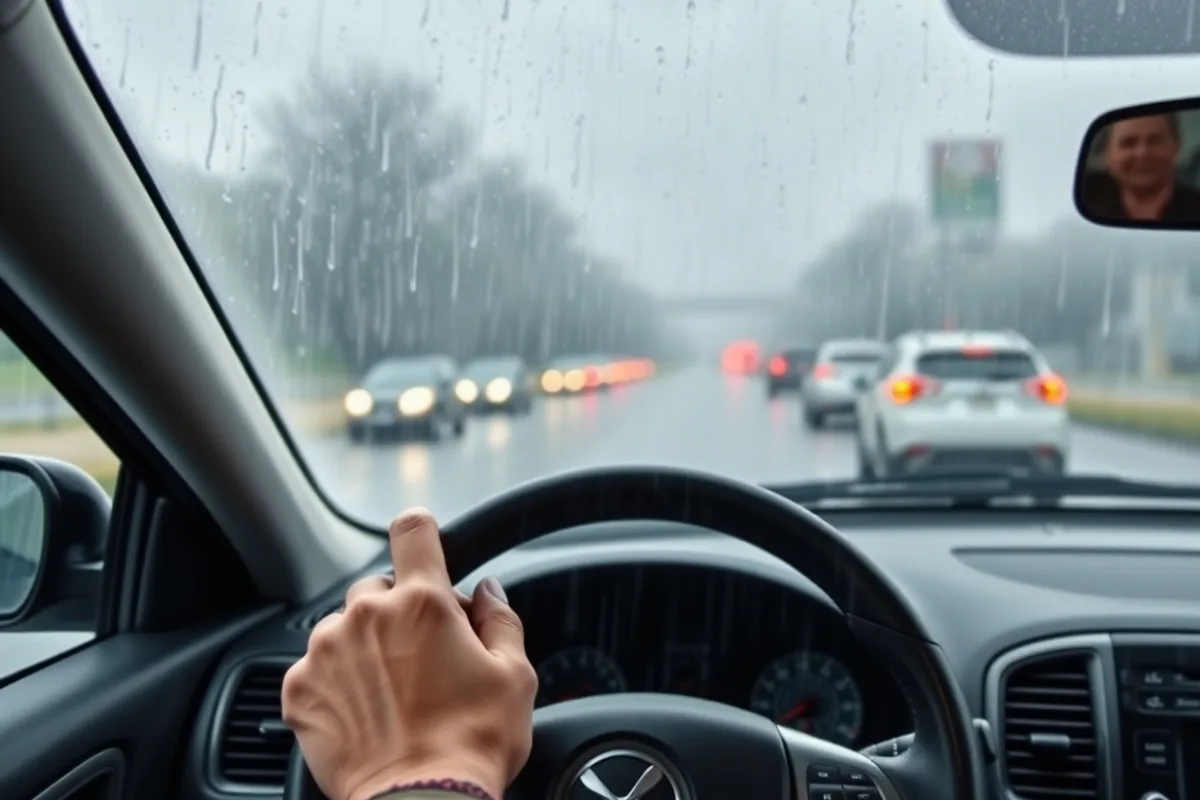
Before the first drop of rain, the windscreen should be clean inside and out. A dirty screen turns low sun into a smear of glare, and worn wipers make every overtake a guess. Replace blades at the first sign of streaking, and keep the washer reservoir topped up with a suitable screen wash.
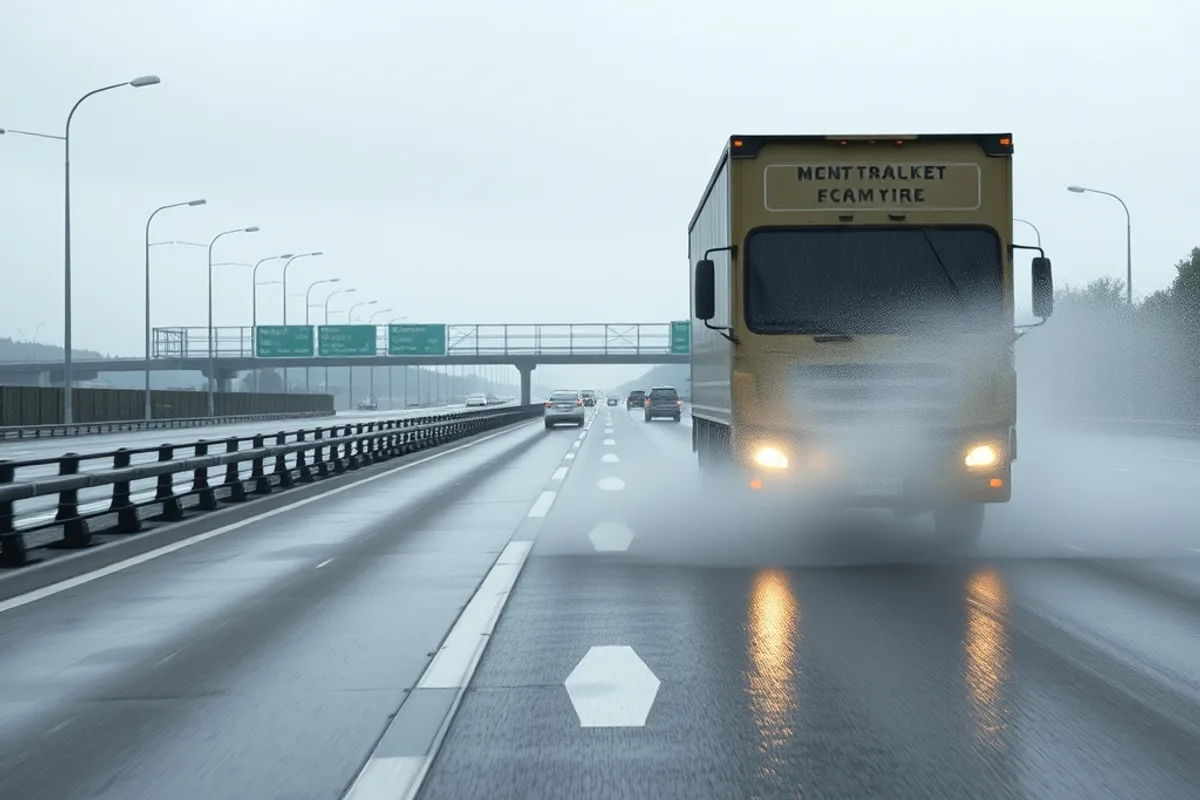
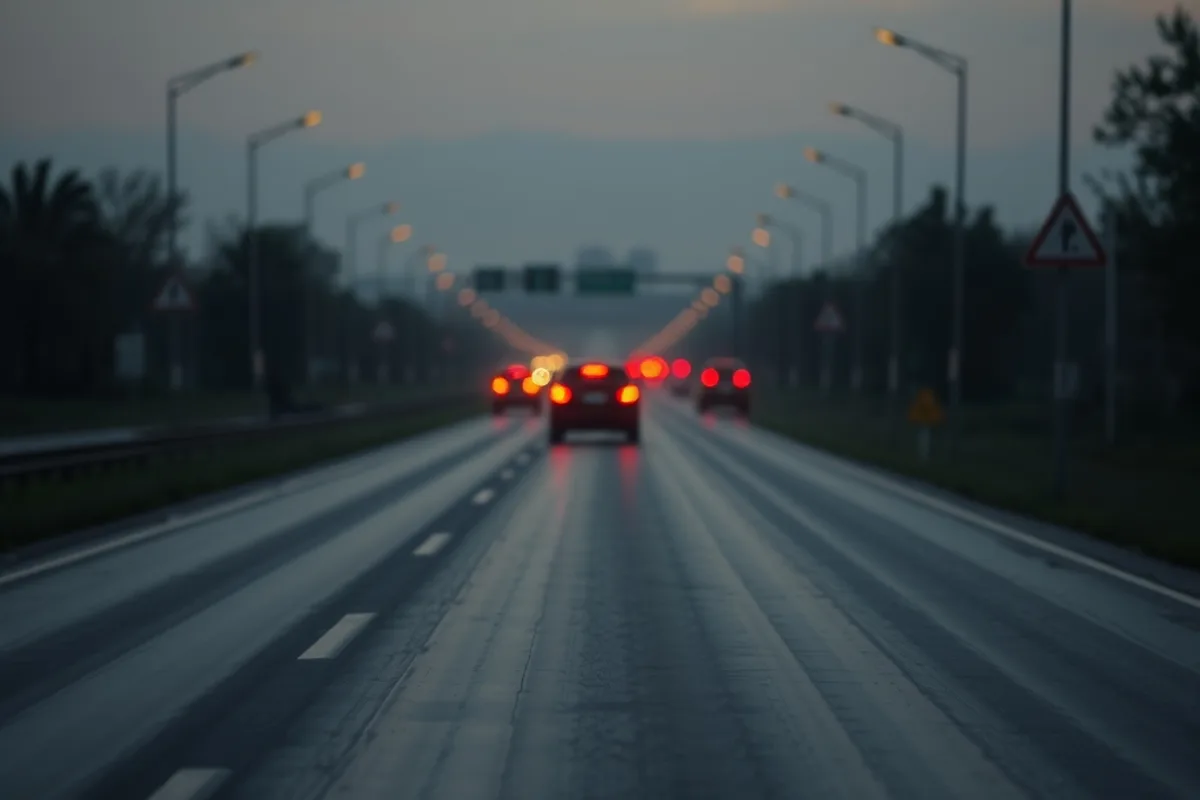
Lights are not just for seeing. In heavy rain, dipped headlights make your car visible to others long before they can judge its speed. Use them in gloom, spray and fading light, and avoid relying on automatic lights if they fail to react quickly enough. Rear fog lights should be reserved for genuinely poor visibility, because they can dazzle the driver behind.
Mirrors and cameras need the same attention. A quick wipe of the mirrors before setting off costs seconds. If your car has a rear camera, check that it is clean; a blurred image is worse than no image because it invites misplaced trust.
The two-second rule is a floor, not a target
The classic two-second gap is a minimum in good, dry conditions. In rain it should grow, and in heavy spray or at night it should grow further. The exact number matters less than the principle: you need enough space to stop if the car ahead brakes suddenly, and enough visibility to see why it braked.
A useful technique is to pick a fixed point ahead and count how long it takes the car in front to reach it. If you arrive before you finish counting, you are too close. Repeat the check every few minutes, because gaps drift as traffic speeds up and slows down.
Tailgaters change the equation. You cannot control the space behind you, but you can create more space ahead so that you can brake gently rather than sharply. A gentle stop reduces the chance of the driver behind running into you, and it gives them more time to react.
Glare management is a skill
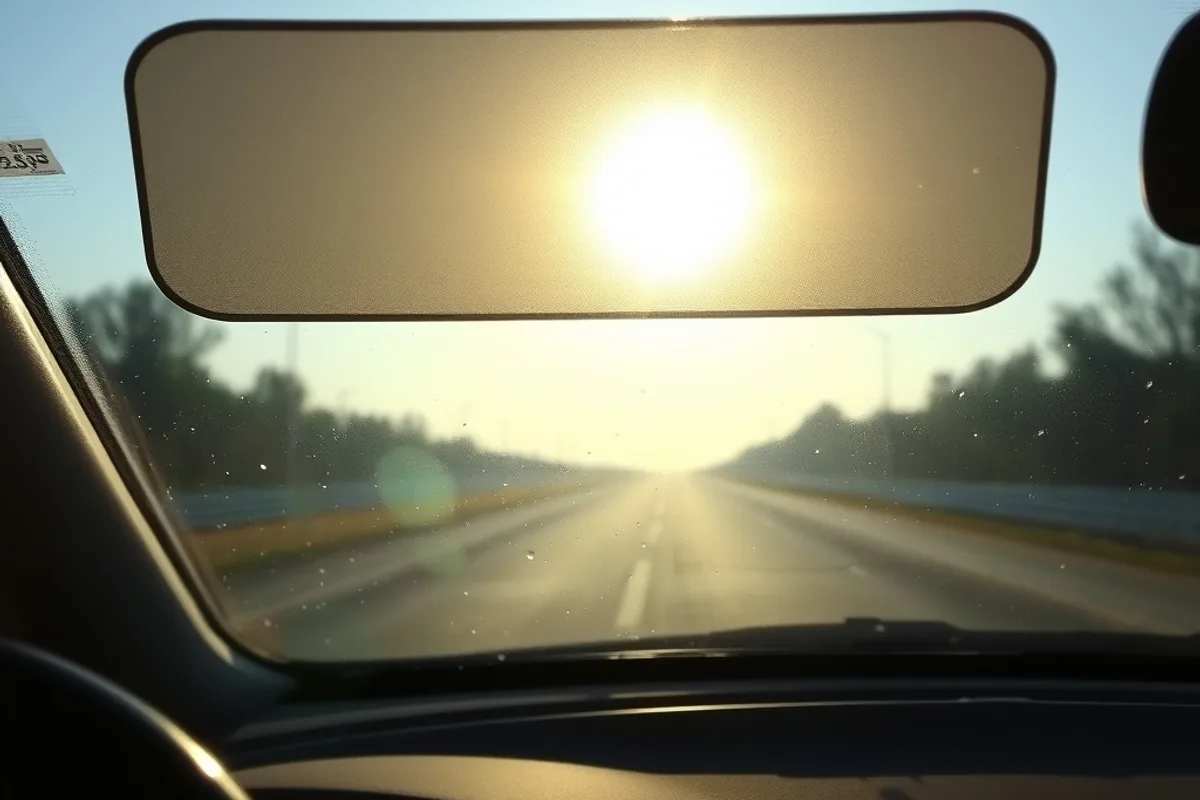
Low sun is one of the most underestimated driving hazards. It can wash out traffic lights, hide pedestrians and turn a wet road into a mirror. Keeping the windscreen spotless is the first defence; a clean dashboard is the second, because dust and fingerprints scatter light.
Use the sun visor early rather than waiting until you are dazzled. Polarised sunglasses help in daylight, but they can darken some dashboard displays and should not be used at night. If glare becomes severe, slow down and increase your following distance. There is no shame in arriving a few minutes later.
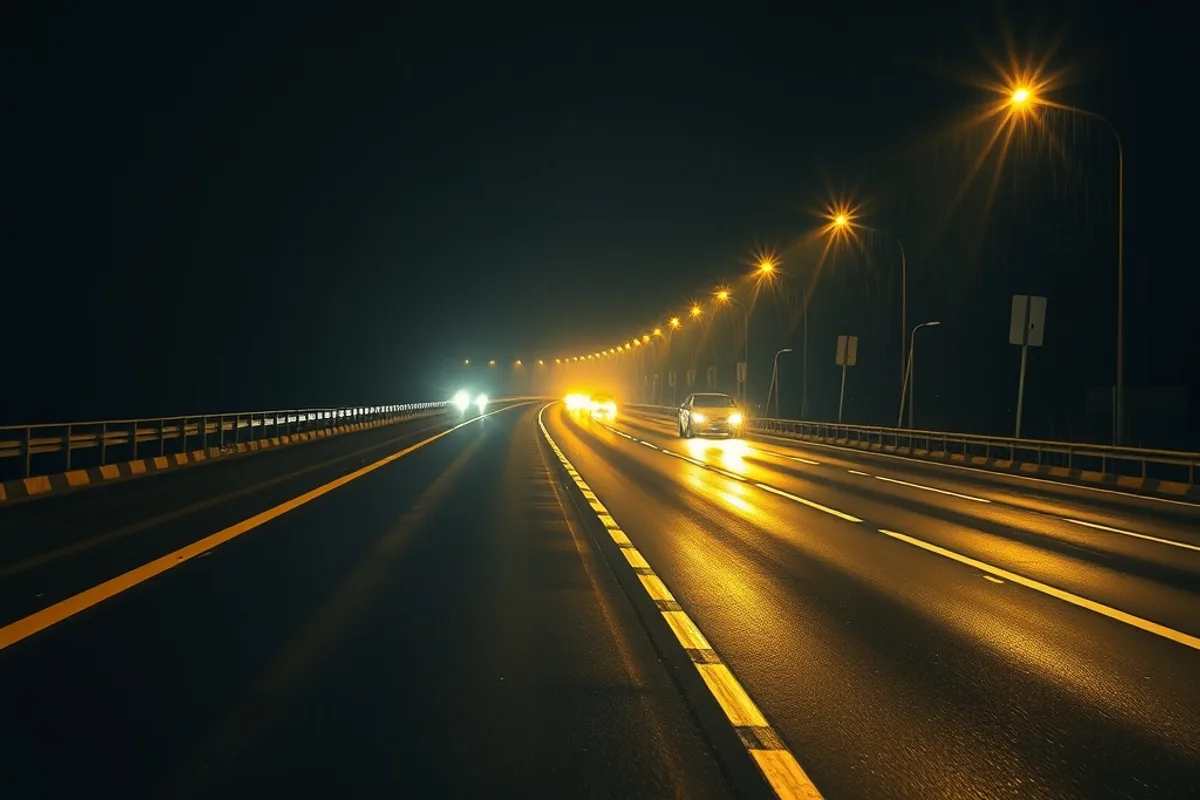
At night, avoid staring directly at oncoming headlights. Look toward the left edge of your lane, using the road markings as a guide, and keep your own lights correctly adjusted. A loaded boot can raise the beam and dazzle others, so check the headlight level when carrying heavy loads.
Space is a strategy, not a gap
Experienced drivers think in escape routes rather than in car lengths. Where would you go if the car ahead stopped suddenly? Is there a hard shoulder, a lay-by, a gap in the next lane? Keeping that question in mind turns a passive drive into an active one.
On multi-lane roads, avoid sitting in another driver’s blind spot. If you can see their door mirror, they are more likely to see you. When overtaking a heavy vehicle, do it decisively and leave enough room before pulling back in; trucks need much more space to stop than a car.
In town, space includes pedestrians and cyclists. Give cyclists room when passing, expect someone to step out from between parked cars, and treat a green light as permission to proceed only when the junction is actually clear. The most defensive habit is to assume that someone else may make a mistake.
“You cannot prevent every mistake. You can refuse to be surprised by the same one twice.”
Elena Frost
Handling pressure from behind
A tailgater is a stressful companion, and the instinct to speed up or brake-check is understandable. Both responses increase risk. The safer approach is to maintain a steady speed, increase the gap ahead and make it easy for the other driver to pass when it is safe.
If a driver is persistently aggressive, do not engage. Avoid eye contact, do not gesture, and pull over safely to let them go if you can. Note the registration and report dangerous driving if it warrants it. A confrontation at the roadside is never worth the risk.
The same principle applies to your own mood. Fatigue, frustration and time pressure all shorten patience and reaction time. A short break, a glass of water and a reappraisal of the schedule can do more for safety than any electronic aid.
A short pre-drive ritual
The best habits are small enough to survive a busy morning. Before you move off, walk around the car, check the tyres and lights, clear the windows and mirrors, and put your phone out of reach. Adjust the seat and head restraint, then fasten your belt before you start the engine.
In bad weather, add a few seconds to that routine: confirm the wipers work, the demister is effective and the lights are on. If you are carrying a load, check that it is secure and that the headlight aim is not pointing into the sky.
None of this is dramatic. That is the point. Defensive driving is a collection of unremarkable decisions that, repeated over years, keep the remarkable events from happening. The driver who arrives safely is often the one who was willing to be a little patient, a little visible, and a little further back.
Frequently asked
Should I use hazard lights in heavy rain?
Hazard lights are intended to warn others that you are stationary or a hazard. In moving traffic they can obscure your indicators and confuse other drivers. Use dipped headlights and slow down instead; follow local rules if visibility becomes extreme.
How do I stop someone tailgating me?
Maintain a steady speed, increase the space ahead and let them pass when safe. Avoid braking sharply or speeding up in frustration. If the behaviour is dangerous, pull over safely and report it.
Are polarised sunglasses safe for driving?
They can reduce glare effectively in daylight, but they may darken dashboard displays and should not be used at night. Choose a pair that still lets you see instrument panels clearly.