
The first track day is usually remembered for two things: how much there is to think about, and how quickly the day passes. A little preparation makes room for the part that matters, which is learning how the car behaves at the limit.
Before you book
Choose an event that suits beginners. Many circuits and clubs run novice-only days with classroom sessions, instructors and generous run groups. A busy open pit lane is not the place to learn track etiquette. Check the noise limits, the licence requirements and the insurance position before you pay.
Your road insurance almost certainly does not cover track driving. Specialist track-day cover exists, but read the exclusions carefully. Some policies require a certain standard of car preparation or exclude timed sessions. Decide what risk you are willing to carry.
Think about the car you will use. A standard sports car or hot hatch is more than enough for a first day. A stripped-out project with untested modifications is not. Reliability, brakes and tyres matter more than power, and a car you are comfortable in will teach you more.
The week before
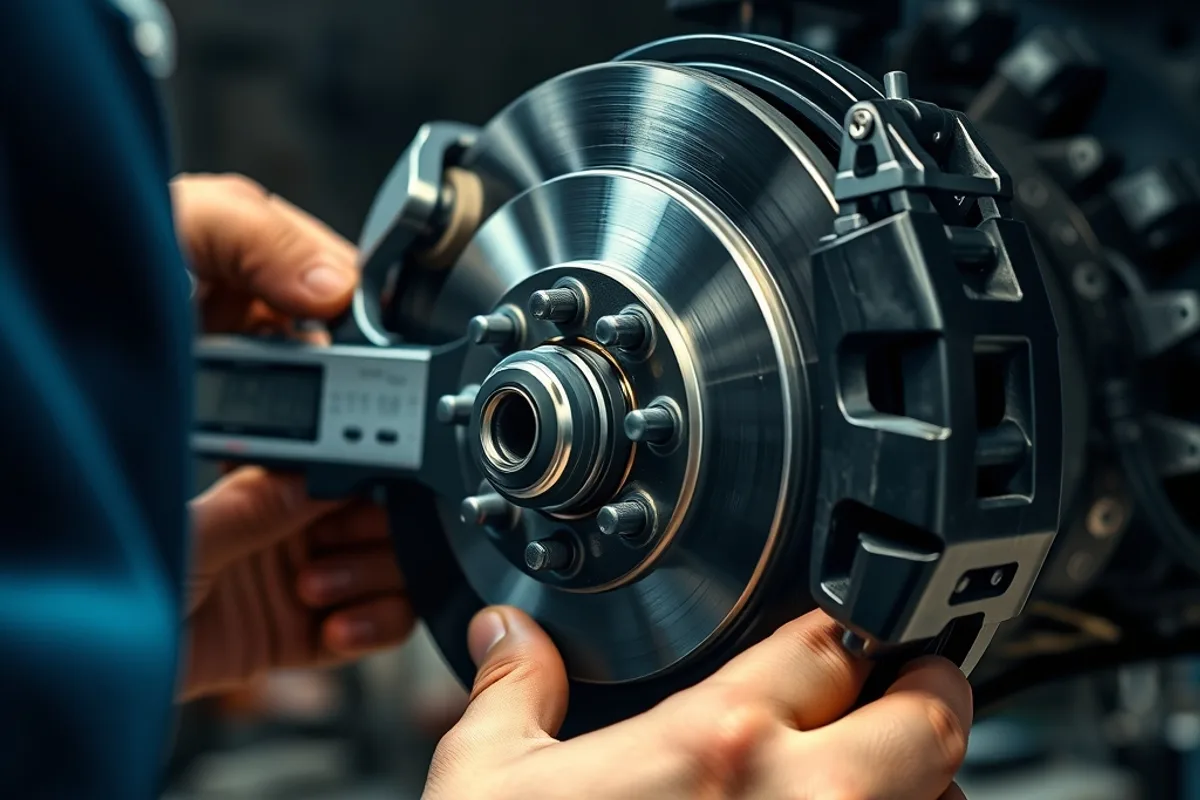
Check the obvious items while you still have time to fix them. Tyre tread and pressures, brake pad thickness, brake fluid condition, oil level, coolant, and any leaks. Look for play in the wheel bearings and check that the battery is secure. A loose item in the cabin becomes a hazard on track.
Remove everything that is not needed: floor mats, loose tools, heavy bags and anything that could move under cornering. Check the torque of the wheel nuts and take a torque wrench with you. If you run wheel bolts, make sure you have the correct key.
Plan your fuel. Track driving uses far more than road driving, and a car that starts the day with a quarter tank will be running low by lunchtime. Arrive with a full tank, or check the circuit’s fuel facilities. Take a tyre pressure gauge and a small compressor if you have one.
What to bring
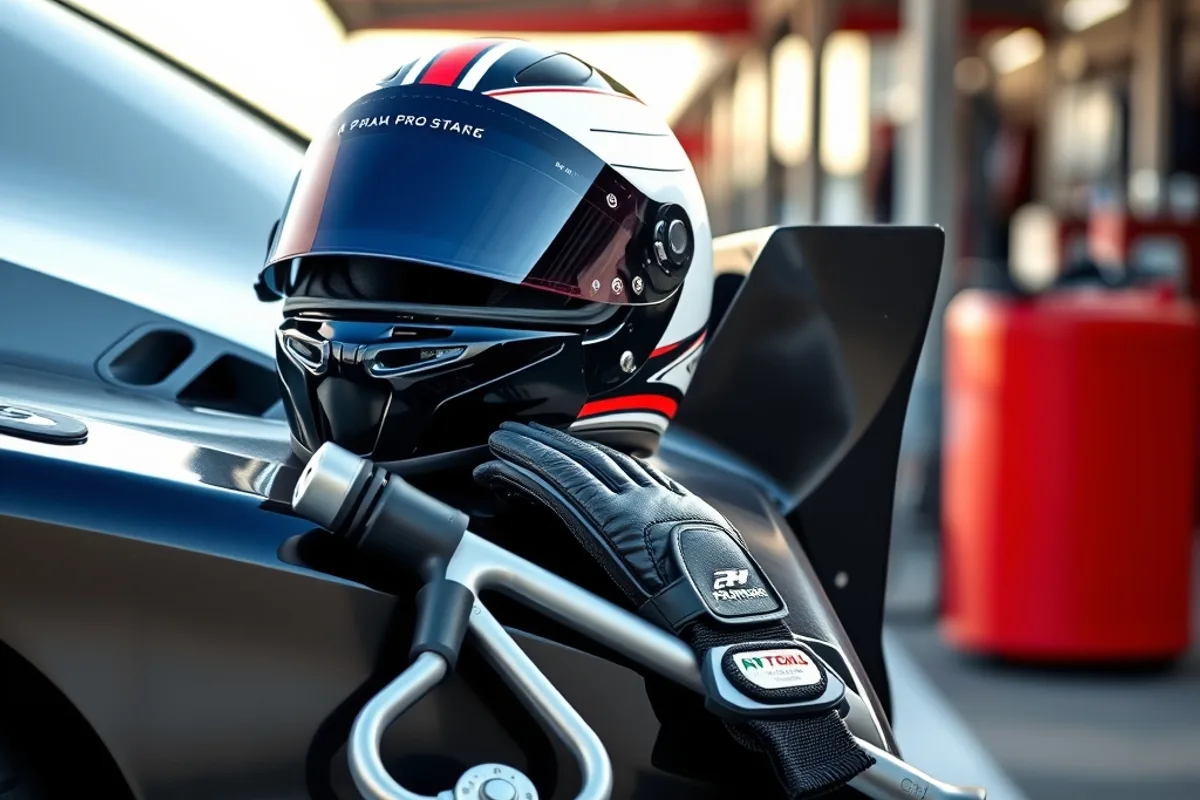
The list is longer than a normal road trip but shorter than a race weekend. A helmet that fits properly, comfortable clothing, closed shoes, water, food and a hat for the paddock. A chair, sunscreen and a waterproof layer make the waiting between sessions far more pleasant.
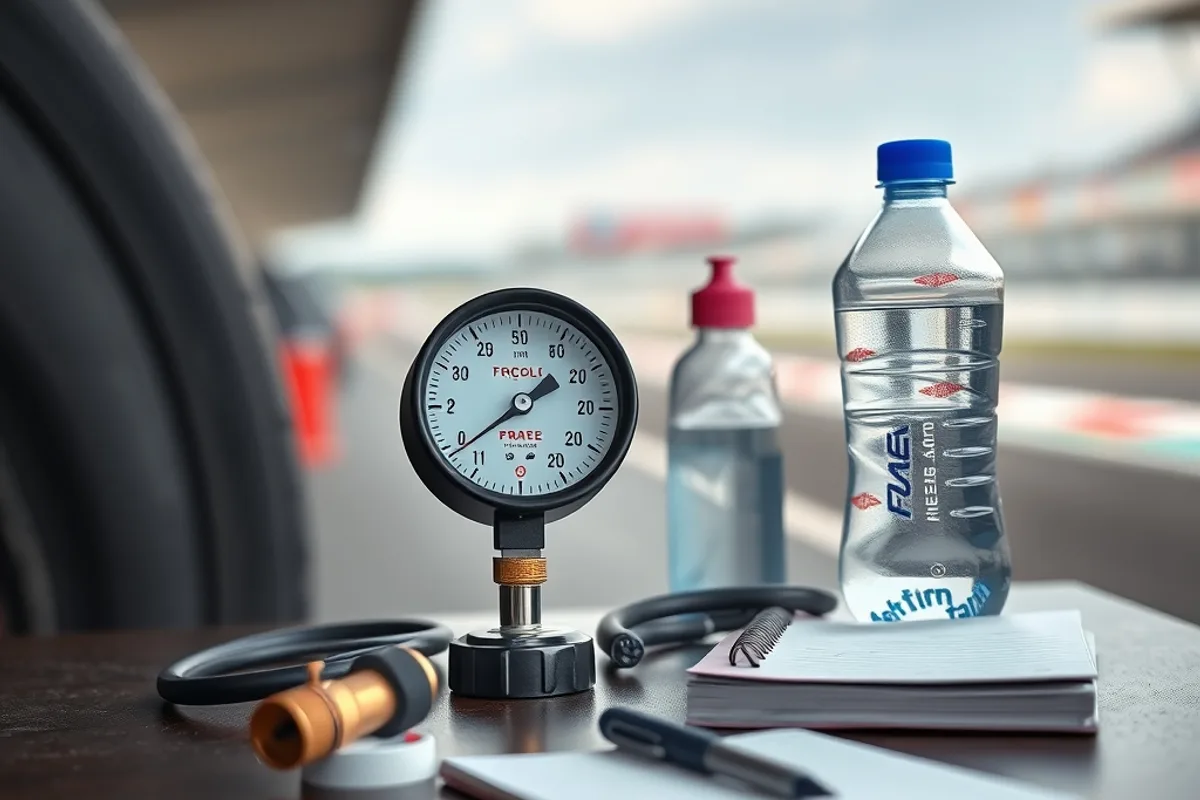
Bring a notebook and a pen. Writing down one thing to work on after each session is more useful than trying to remember everything. If your car has a tyre pressure gauge and a pump, use them consistently; pressures rise as the tyres heat up and fall again when they cool.
Pack a basic toolkit, cable ties, tape, a spare litre of oil and a container of water. You probably will not need them. The point is to remove the small anxieties that distract from driving.

On the day
Arrive early, sign on, and attend the briefing. The briefing is not a formality; it explains the flags, the overtaking rules and what to do if you go off. Ask questions if anything is unclear. Every circuit has its own conventions, and experienced drivers appreciate a novice who listens.
Start slowly. Your first session is about learning the line, the braking points and the grip level, not about setting a time. Leave space, use your mirrors and let faster cars pass on the straights. The goal is to be predictable, not to win an imaginary race.
Check the car between sessions. Look at the tyres, the brakes and the fluid levels. Feel the wheels for excessive play and listen for new noises. A five-minute inspection can catch a problem before it becomes a recovery truck.
Driving within yourself
The fastest way to have a bad day is to drive beyond your experience. Fatigue sets in quickly on track, and the last session is often when mistakes happen. If you feel tired, stop. There is no prize for completing every session.
Smoothness beats aggression. Brake in a straight line, release smoothly, and use the whole width of the track only when you know it is clear. If the car understeers or the brakes fade, come in and investigate rather than trying to drive around the problem.
An instructor is the best value on the day. A few laps with someone who can see your inputs will reveal habits you did not know you had. Ask for feedback, listen without defending, and try one change at a time.
“The lap timer is a liar on your first day. The lesson is the lap time you can repeat safely.”
Priya Nandakumar
The drive home
The drive home is part of the event. Check the car again before you leave: tyres, brakes, lights and fluid levels. If anything feels wrong, investigate it at the circuit rather than on the motorway. Leave enough time to travel at a relaxed pace.
Expect the car to feel different on the road. Brakes may be hotter than usual, tyres may be more worn, and you may be more tired than you realise. Drive conservatively and take a break. The adrenaline will wear off before the journey does.
Then write down what you learned. The next track day will be better because of it. The first one is not a test of speed; it is a test of preparation, patience and humility. Pass those, and you will be welcome back.
Frequently asked
Is my road car suitable for a track day?
Most well-maintained road cars are fine for a novice day, provided tyres, brakes and fluids are in good condition. Convertibles may need roll-over protection, and some circuits have noise limits. Check the event rules.
Do I need special insurance?
Standard road insurance usually excludes track driving. Specialist track-day cover can be purchased, but read the exclusions carefully. Some policies require a certain level of car preparation or exclude timed sessions.
How hard should I drive on my first day?
Well within your comfort zone. Focus on learning the line, braking smoothly and being aware of traffic. Increase pace gradually only if you feel calm and the car is behaving consistently.