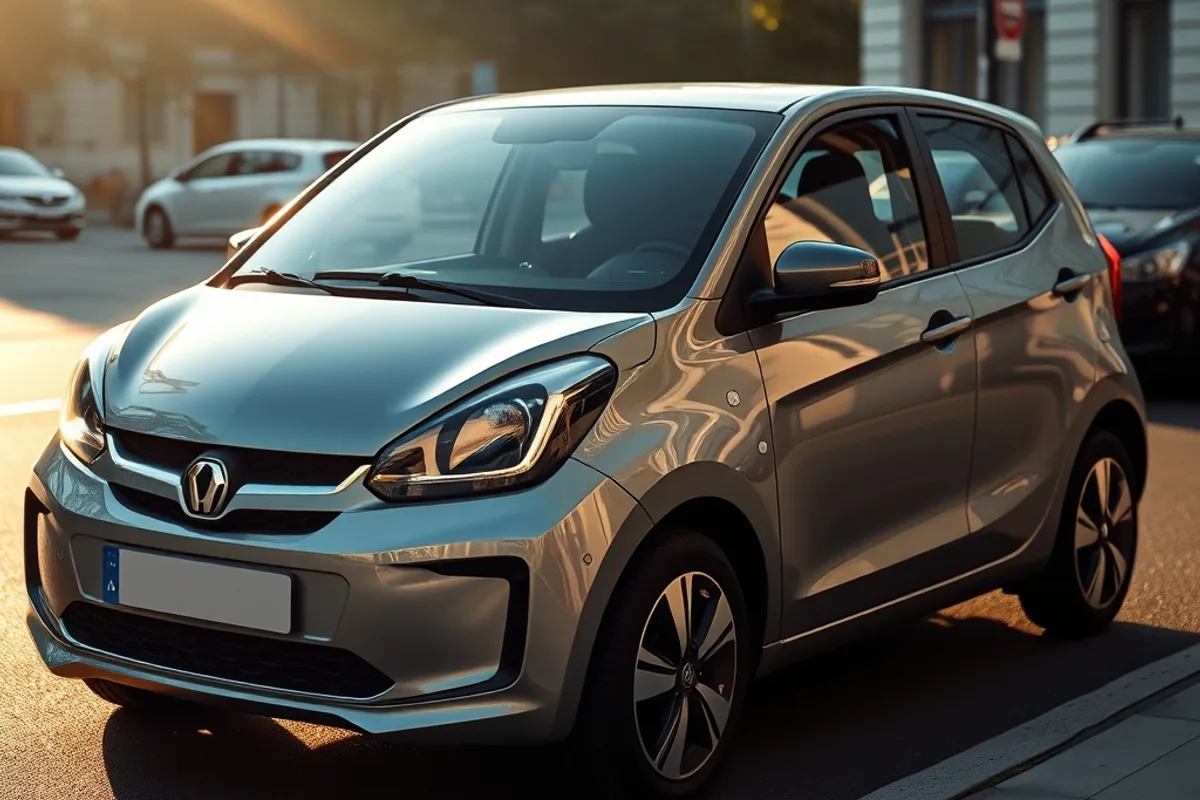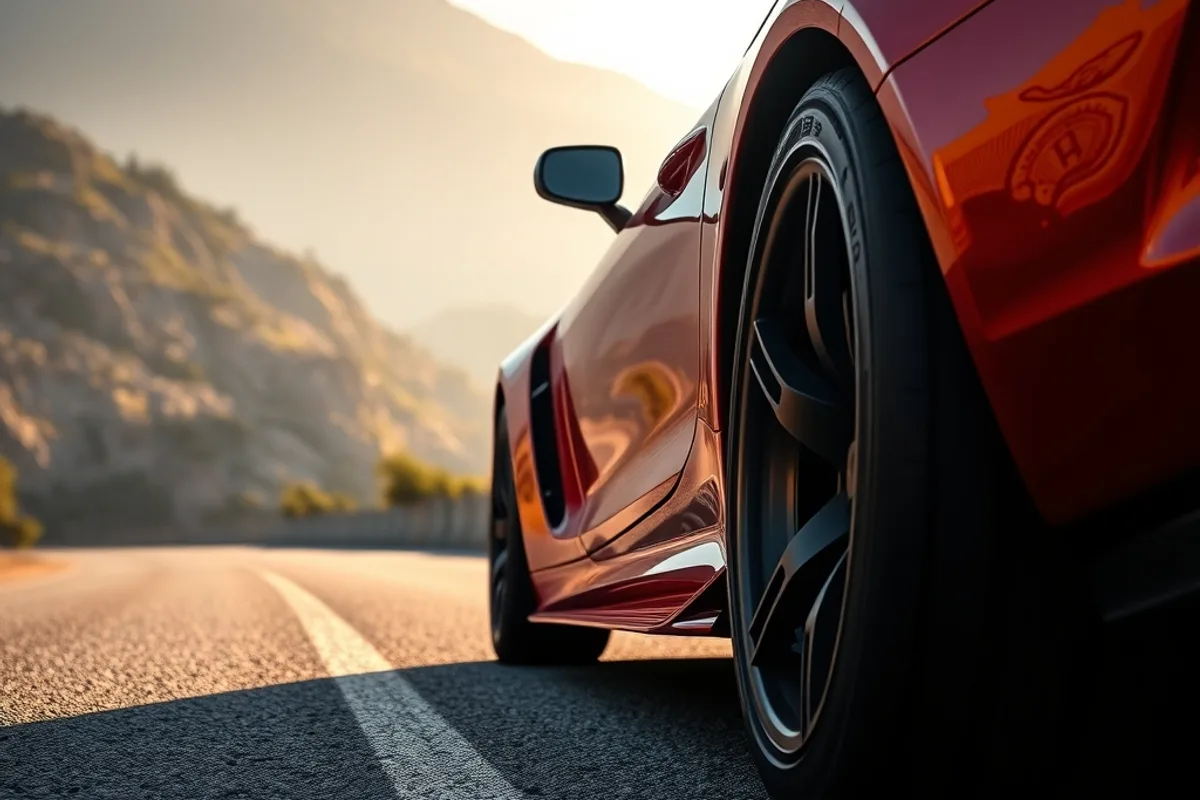
Every acceleration, every brake application and every steering input passes through an area of rubber roughly the size of your hand. Improving what happens there changes the car more than most engine modifications, and it usually costs far less.
Where the car actually meets the road
Horsepower sells cars because it is easy to imagine. Grip is harder to market because it is invisible until it runs out. Yet a car with modest power and excellent tyres will often be faster, safer and more enjoyable on a real road than a more powerful car on worn or unsuitable rubber.
Tyres influence braking distance, steering response, ride comfort, noise and fuel consumption. They are also the first component to be compromised when budgets are tight. A previous owner may have fitted cheap tyres to a car that deserves better, and the difference is not always obvious from the driver’s seat until you ask the car to stop quickly.
The good news is that tyres are a consumable. You will replace them eventually, so the upgrade is a question of choosing well when the time comes rather than spending a large sum on a new component.
The compound question
Tyre performance is a set of trade-offs. A soft compound grips well in the dry but wears quickly and can struggle in cold or wet conditions. A hard compound lasts longer but gives up grip earlier. Winter and all-season tyres prioritise different temperatures and surfaces.
For most drivers, a good summer or all-season tyre from a reputable manufacturer is the sensible choice. The key is to match the tyre to the climate and the use. A track-focused semi-slick is wasted on a daily commute and can be dangerous in standing water.
Look beyond the marketing labels. Independent tests, owner communities and specialist retailers can tell you how a tyre behaves in the wet, how noisy it is and how well it wears. The best tyre for a hot, dry region is not the best tyre for a wet, cool one.
Size, weight and unsprung mass
Bigger wheels look good in a brochure, but they are not automatically better. A larger wheel usually means a heavier wheel and tyre combination, which increases unsprung mass and can blunt ride quality and steering response. It also means more expensive tyres and a greater risk of kerb damage.
The best performance upgrade is often a smaller, lighter wheel with a tyre that has a slightly taller sidewall. That combination can improve compliance, reduce weight and put more rubber on the road without changing the car’s appearance dramatically. If you drive on broken surfaces, the difference is noticeable.
Check the load rating and speed rating required by the vehicle. Fitting a tyre with a lower rating than the manufacturer specifies can invalidate insurance and compromise safety. The correct specification is a baseline, not an optional extra.
Pressure, temperature and wear
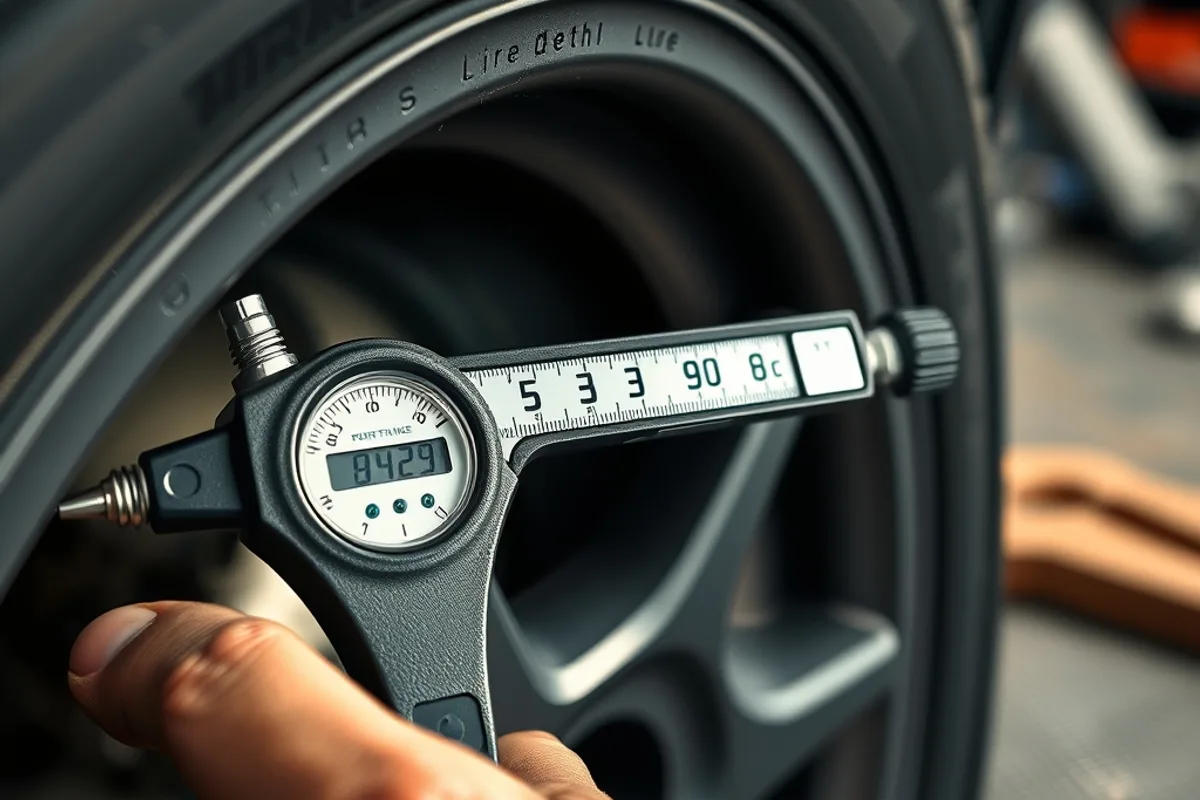
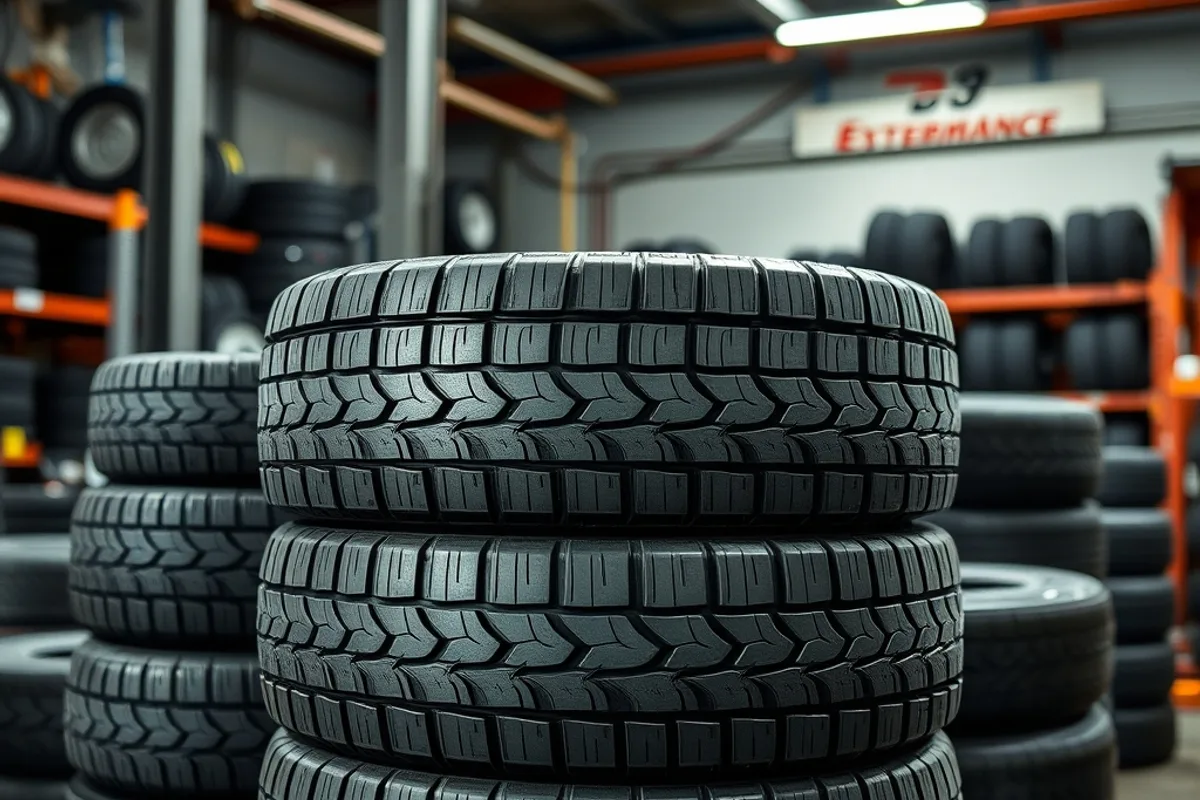
Tyre pressure is the cheapest performance setting you have. Too low and the sidewall flexes, the tyre overheats and fuel consumption rises. Too high and the contact patch shrinks, reducing grip and increasing wear in the centre of the tread. Check pressures cold, at least once a month, and before a long trip.
Temperature changes pressure. A tyre that is correct on a winter morning may be over-inflated on a hot afternoon. Track use raises temperatures dramatically, which is why pressures are set differently for circuit driving. On the road, the manufacturer’s figures are the right starting point.
Wear patterns tell a story. Wear on both edges suggests under-inflation; wear in the centre suggests over-inflation; uneven wear can indicate alignment or suspension problems. A tyre with a bulge, a cut or exposed cords is not repairable and should be replaced immediately.
“You can add power in an afternoon. You have to earn grip through every corner, every day.”
Priya Nandakumar
Matching tyres to the use
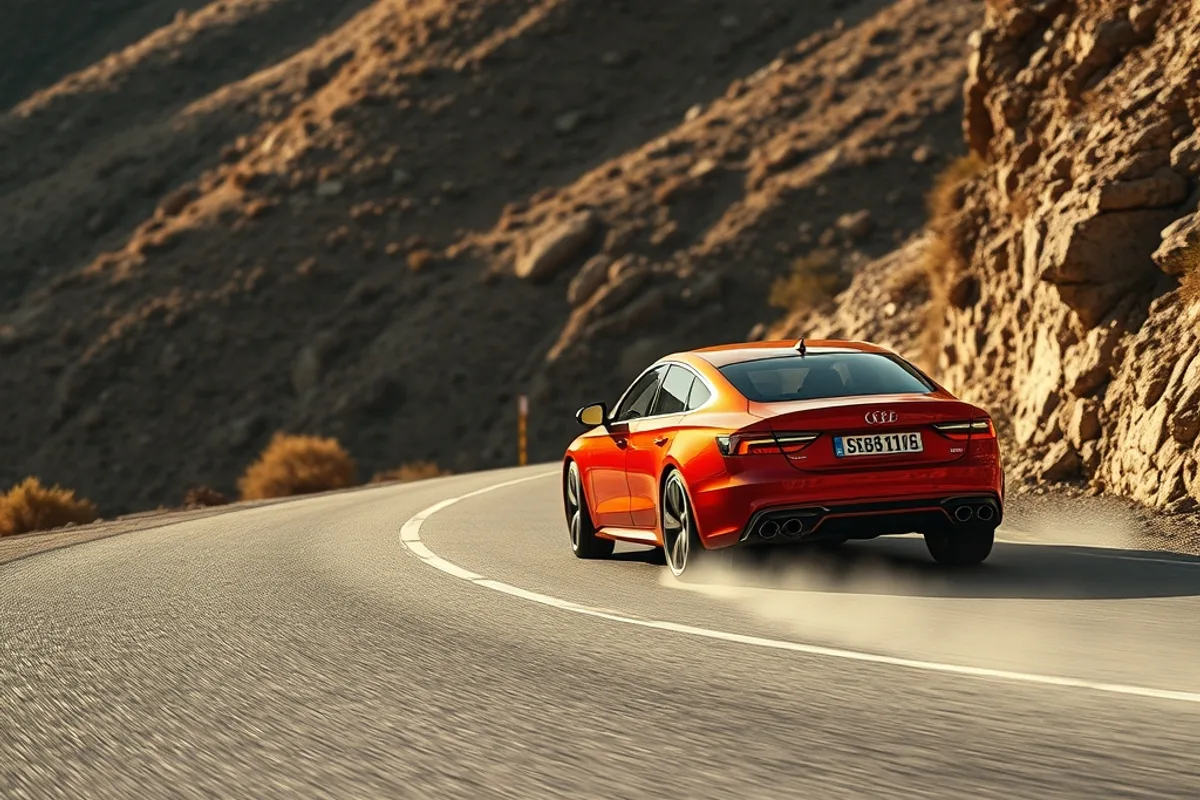
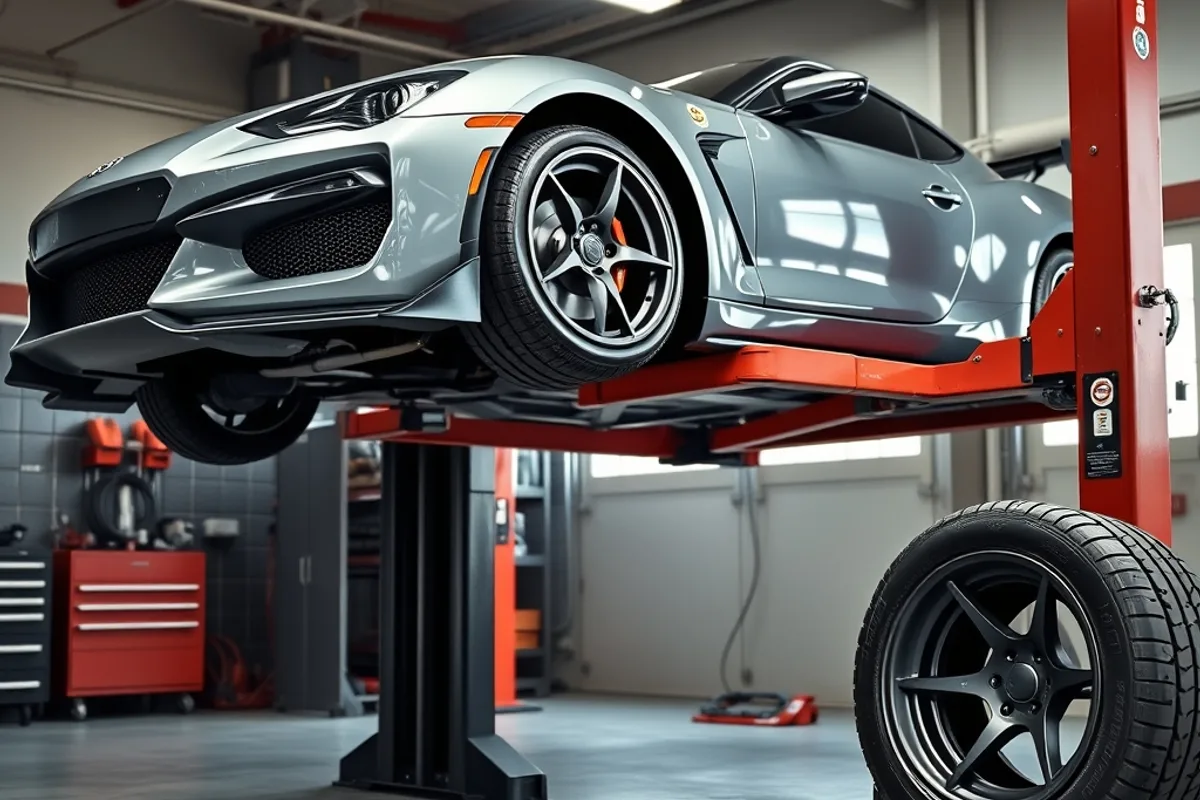
A daily driver needs a tyre that works in the rain, lasts a reasonable distance and does not roar on the motorway. A weekend car used on dry mountain roads can justify a more focused compound. A car that sees occasional track days needs a tyre that can handle heat without becoming greasy after three laps.
Do not mix tyre types across an axle. Ideally, use four matching tyres. If you must replace a pair, put the new tyres on the rear, where loss of grip is harder to recover. Check the date code on the sidewall; tyres age even when they have plenty of tread.
For performance driving, the most valuable investment is often a second set of wheels with the right tyres for the season. It sounds indulgent, but it extends the life of both sets and lets you use the car properly in different conditions.
A simple upgrade order
If you want a faster, more satisfying car, start with the contact patches and work outward. New tyres and a proper alignment are the foundation. Then look at brake pads and fluid, because the standard components may fade under repeated hard use. Only after that should you consider power.
The order matters because each upgrade exposes the next weakest link. More grip puts more load on the brakes; better brakes put more load on the suspension; more power puts more load on everything. A balanced car is quicker and more predictable than one with a single standout modification.
Finally, invest in driving. A track day or a car-control course will teach you more about grip than any parts catalogue. The best performance upgrade is still a driver who understands what the tyres are telling them, and who knows when to leave a little margin.
Frequently asked
Are expensive tyres really worth it?
Reputable mid-range and premium tyres usually perform better in wet braking and wear than the cheapest options. The difference can be significant in an emergency. Compare independent test results for your size and use.
Can I fit larger wheels to my car?
Only within the manufacturer’s approved sizes and with the correct load and speed ratings. Larger wheels increase weight and tyre cost and can worsen ride quality. Check insurance implications before changing.
How often should I replace tyres?
Replace when tread reaches the legal minimum or shows uneven wear, when the sidewall is damaged, or when the rubber is aged. Most manufacturers suggest inspecting tyres over five to six years old regardless of tread.