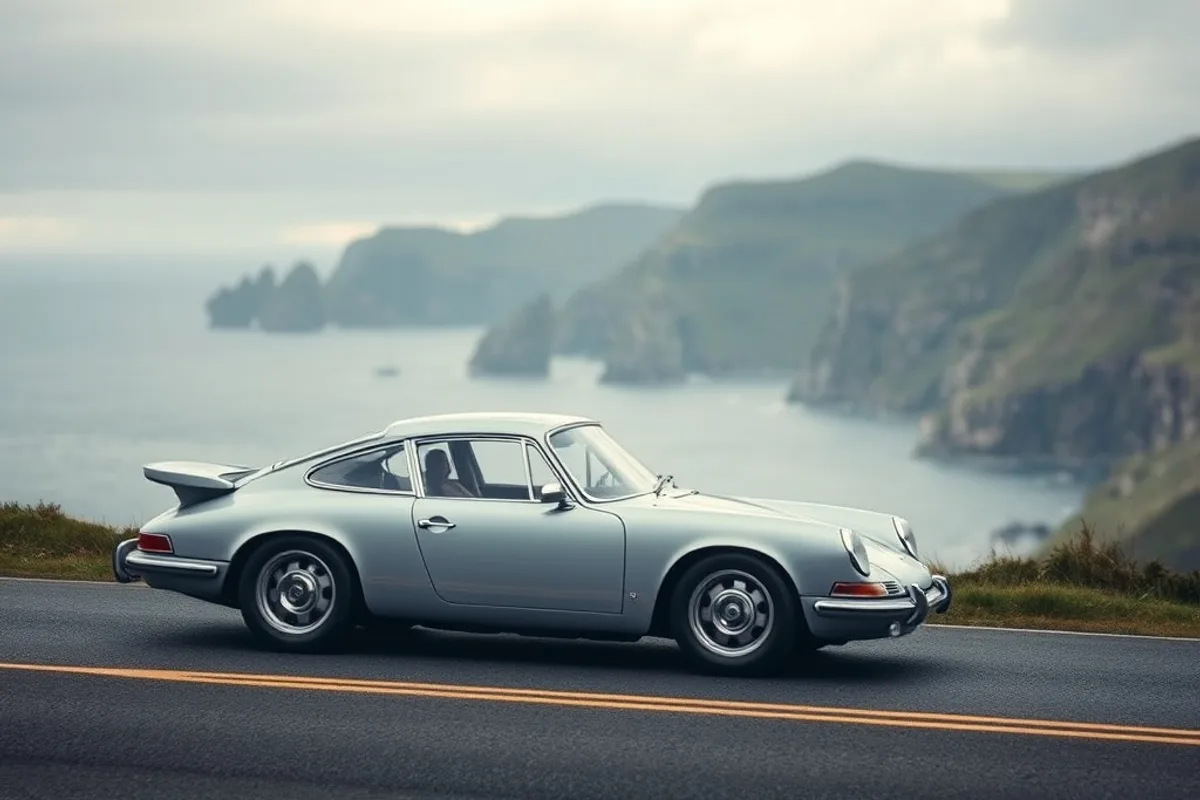
There is a particular kind of quiet that arrives when you leave the motorway and the engine note settles into a steady hum. The car is older, the seats are thinner than they look, and the road ahead is doing most of the entertaining.
Why older cars make better trips
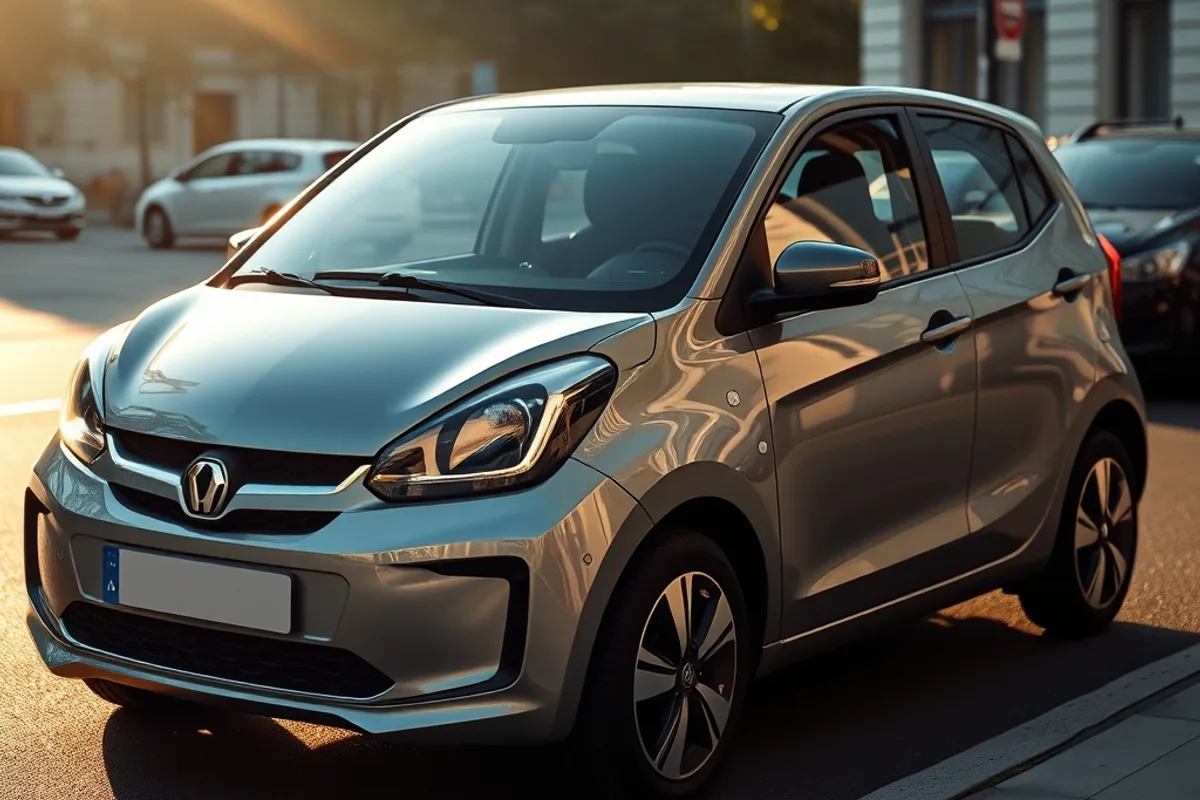
Modern cars are extraordinarily capable. They can cover vast distances quickly, quietly and with very little demand on the driver. That is a wonderful thing when the goal is to arrive. It is less wonderful when the journey is the point.
An older sports car asks more: more attention, more planning, more sympathy for its age. In return, it gives feedback that modern cars filter out. You feel the road through the seat, hear the engine change as the gradient rises, and notice the weather in a way that a sealed cabin discourages.
The trade-off is real. Older cars are less comfortable, less safe in a crash and more likely to need attention. The trip only works if the car is genuinely sorted and the driver is honest about its limits. A neglected project car is not a romantic escape; it is a recovery truck waiting to happen.
Planning a route around the car
Choose a route that suits the car rather than one that flatters your patience. Twisty coastal roads, mountain passes and quiet A-roads are more rewarding than hours of motorway. Plan for fewer miles than you would in a modern car and build in time for stops.
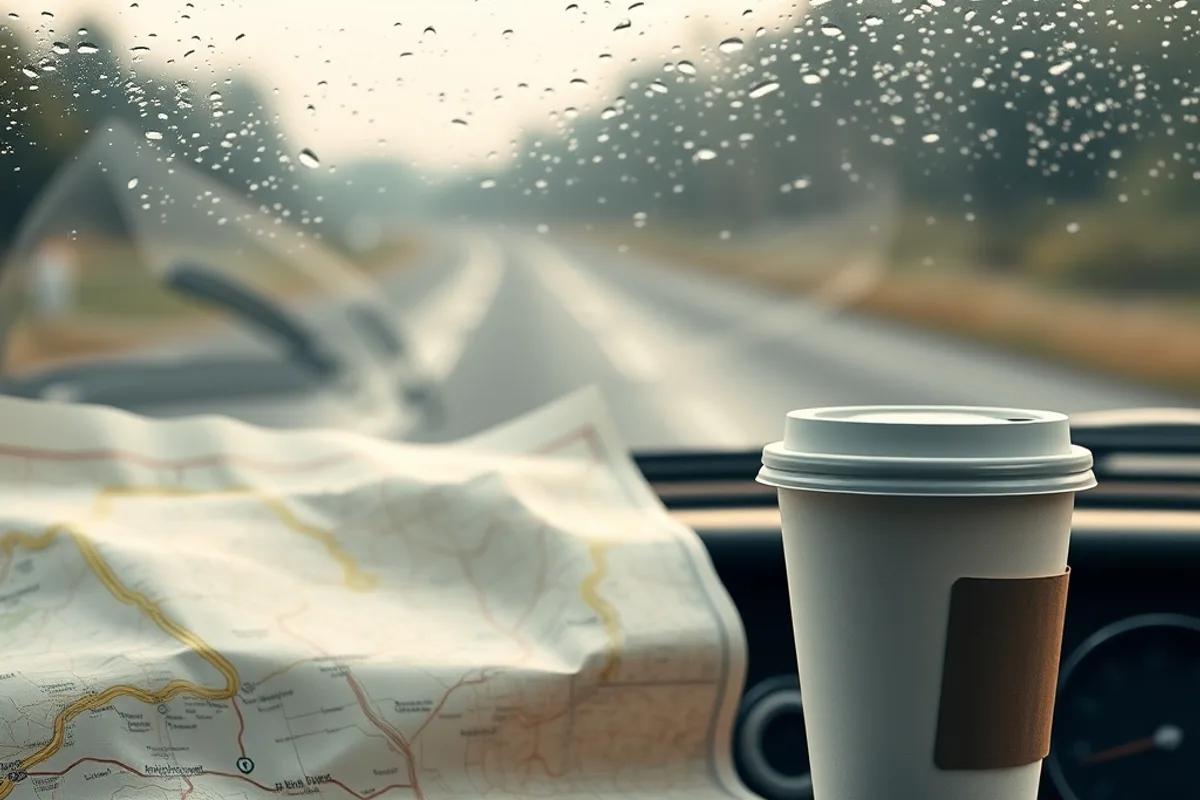
Use a paper map or a downloaded offline route as a backup. It is easy to become dependent on a phone, and older cars do not always have convenient charging. A map also helps you notice the small roads that a navigation algorithm would ignore.
Check the essentials before you go: fuel stops, opening hours and whether the roads you want are actually open. Seasonal closures, roadworks and tolls can ruin a carefully planned loop. A quick call to a local garage or tourist office can save a wasted afternoon.
Packing for a small cabin
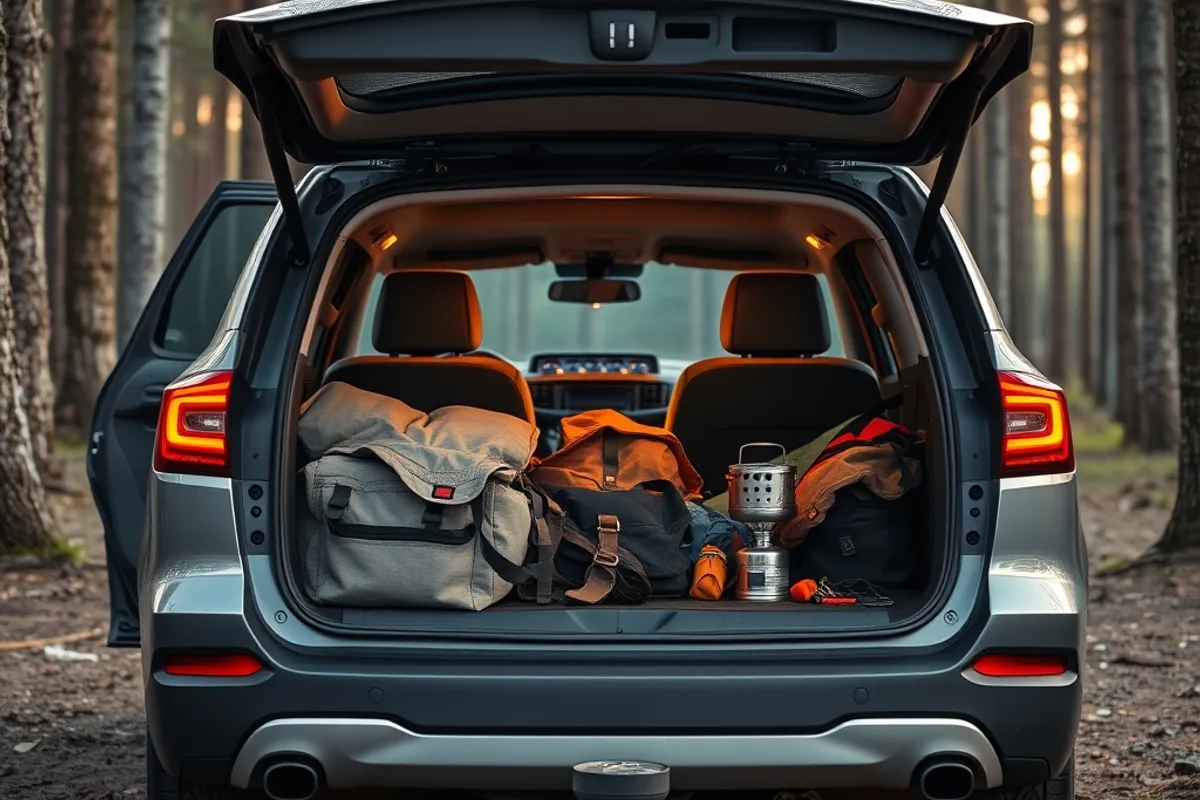
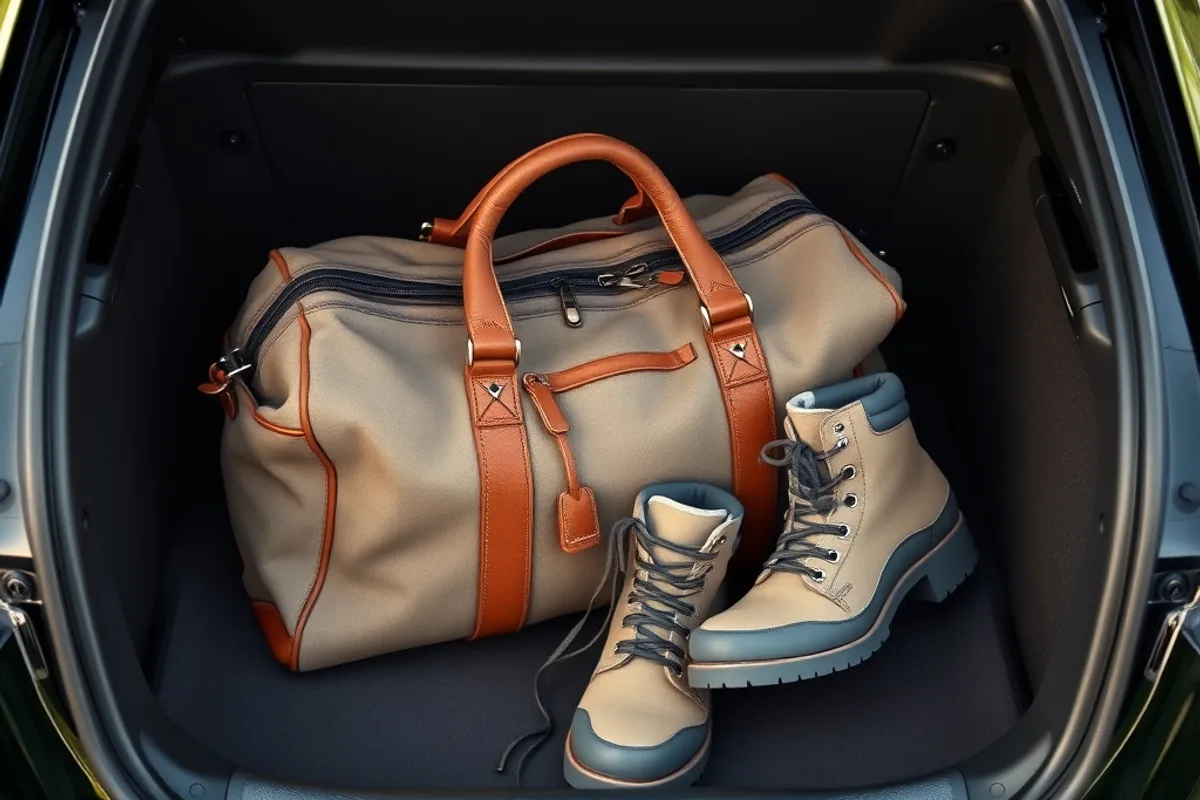
A sports car imposes discipline. Soft bags beat hard cases, layers beat bulky coats, and a single pair of versatile shoes beats a collection. Pack for the weather you are likely to meet and add one warm layer for the evening.
Keep the essentials accessible: wallet, phone, charging cable, water, a cloth for the windscreen and any medication. Everything else can live in the boot. A small torch, a basic toolkit and a tyre pressure gauge are sensible additions for an older car.
Do not overload the car. Extra weight dulls performance and increases strain on old suspension. More importantly, loose items become hazards in a sudden stop. Secure what you carry and leave space for the things you inevitably bring back.
The pace that suits the road
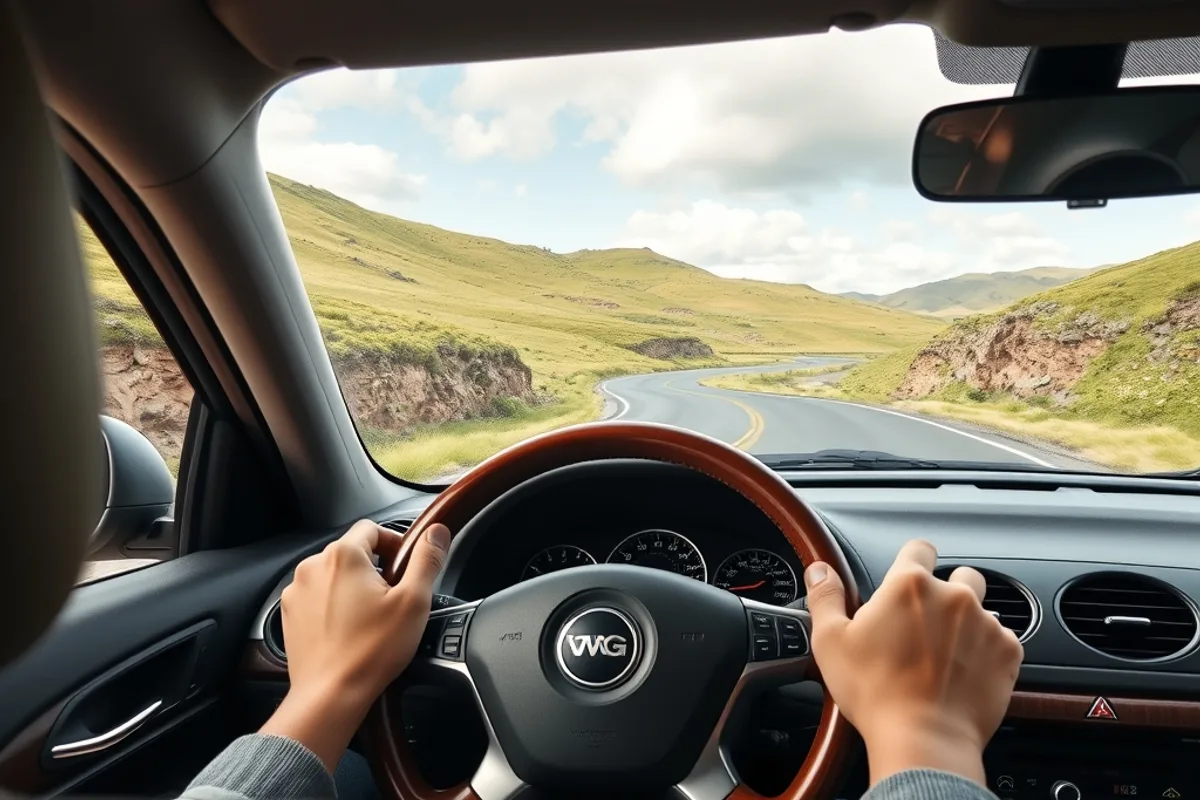
The right pace is the one that lets you enjoy the car without feeling rushed. On a narrow road, that may be well below the speed limit. On a flowing road, it may be a steady cruise that uses the engine’s mid-range rather than chasing the redline.
Take breaks. Older cars are tiring in a way that is easy to underestimate, and fatigue ruins the experience. Stop for coffee, walk to a viewpoint, let the engine cool. The trip is not an endurance test.
Be considerate of local traffic. Pull over to let faster cars pass, and avoid treating a public road like a circuit. The pleasure of a quiet road depends on everyone’s restraint, including yours.
“A good road trip is measured in moments you remember, not in average speed.”
Callum Hayes
When something goes wrong
Something probably will. A hose, a fuse, a bulb or a battery can fail at the least convenient moment. Carry a basic toolkit, a spare bulb kit, a torch and a jump starter if you have one. Know how to change a wheel and where the jacking points are.
Have a recovery plan. Breakdown cover that includes recovery to a garage or home is cheap insurance for an older car. Save the number in your phone and keep a paper copy in the glovebox. If the car is not safe to drive, do not drive it.
The best breakdown story is the one that ends with a cup of tea and a minor repair. The worst is the one that begins with ignoring a noise. If something feels wrong, stop and investigate. The road will still be there tomorrow.
The case for going slower
Slow travel is not about refusing to use the motorway. It is about choosing when the journey deserves more attention. A weekend in an older car is a deliberate constraint, and the constraint is what makes the experience memorable.
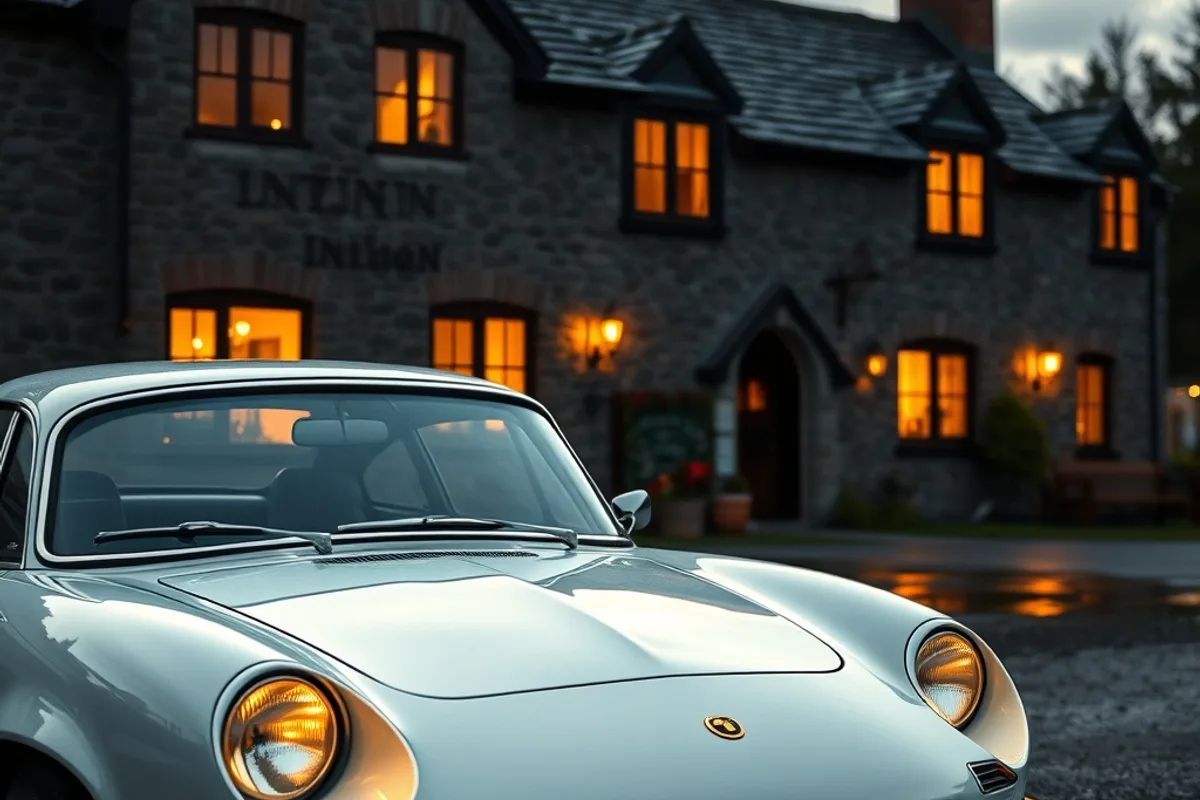
You notice the villages you pass through, the smell of cut grass, the way the light changes over a ridge. You talk to people at fuel stops. You arrive tired but awake. The car becomes part of the place rather than a capsule that separates you from it.
That is the real argument for the slow road north. Not nostalgia for a past that never existed, but a practical way to recover something that modern travel quietly removes: the sense that getting there is part of being there.
Frequently asked
Is an older sports car reliable enough for a weekend trip?
A well-maintained example with fresh fluids, tyres and brakes can be reliable. Have it checked before a long trip, carry basic spares and breakdown cover, and avoid pushing a tired car beyond its condition.
How far should I plan to drive in a day?
For an older car, plan fewer miles than you would in a modern one. Two to three hours of driving with breaks is often more enjoyable than a long motorway slog. Build in time for unexpected stops.
What should I pack for an older car trip?
Soft bags, layers, water, a torch, a basic toolkit, a tyre pressure gauge, a cloth and any spare bulbs or fuses. Keep the cabin clear and secure heavier items in the boot.