The difference between a miserable car camp and a good one is rarely the tent. It is whether you can find the coffee, whether the sleeping bag is dry and whether everything fits back into the car without a wrestling match.
Start with the sleep system
Sleep is the foundation. A thin foam mat and a summer bag will be fine in warm, dry weather and miserable in anything else. Choose insulation for the coldest night you expect, not the warmest, and add a mat with enough thickness to smooth out the ground.
If you sleep in the car, check the length and the flatness of the load floor before you commit. Many estates and SUVs have a step where the rear seats fold. A custom platform or a thick self-inflating mat can solve it; a collection of blankets usually cannot.
Pack bedding in a compression sack or a dedicated duffel. It keeps the sleeping bag dry, contains the bulk and makes the car easier to repack in the morning. A small pillow that doubles as a stuff sack is a useful luxury.
The kitchen is the hard part
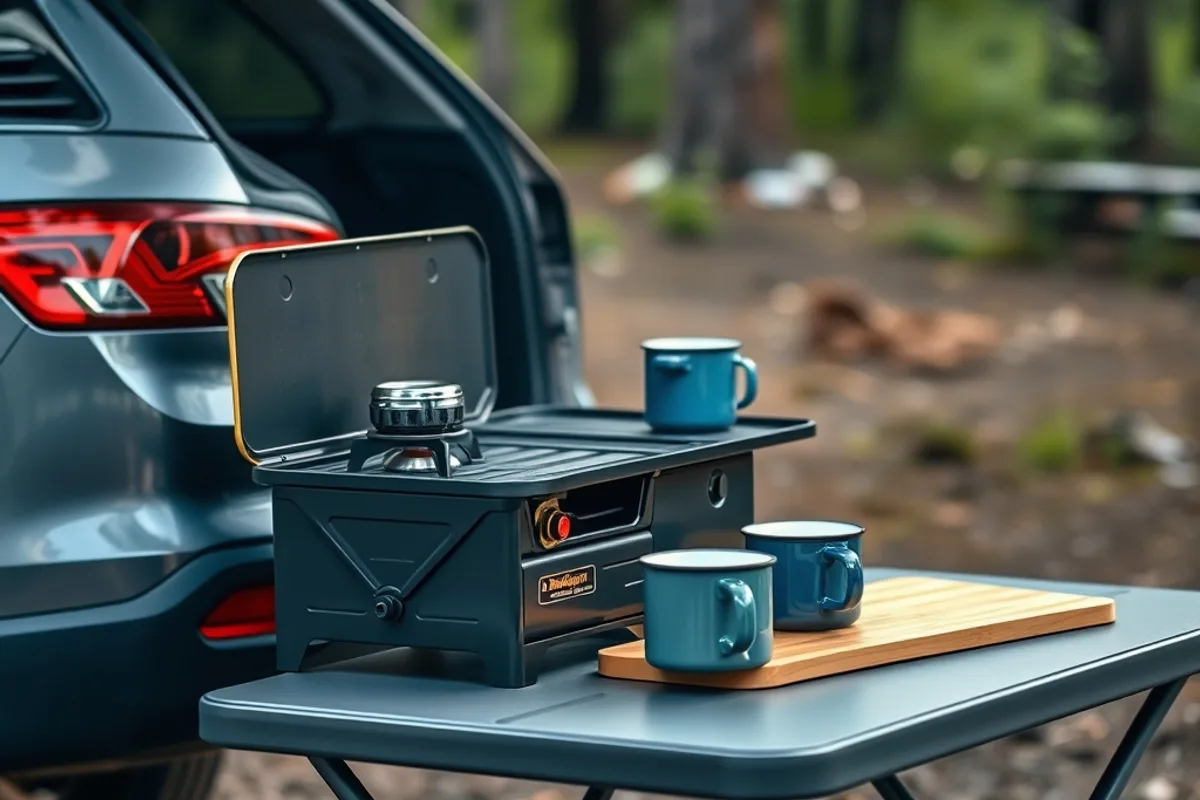
A simple stove, a small pot, a lighter and a couple of enamel mugs will cover most weekend meals. The temptation is to bring a full kitchen; the reality is that washing up, packing and finding a flat surface become the whole evening. Keep it small and repeatable.
Plan meals that need one pot and little cleanup. Pasta, rice bowls, soup and pre-made wraps are easier than elaborate cooking. Bring a small bottle of washing-up liquid, a cloth and a bag for rubbish. Leave the site cleaner than you found it.
Store food in a cool bag or a sealed box, and keep it out of reach of animals. Do not leave food in the car overnight if you are in bear country or an area with curious wildlife. Check local rules before you travel.
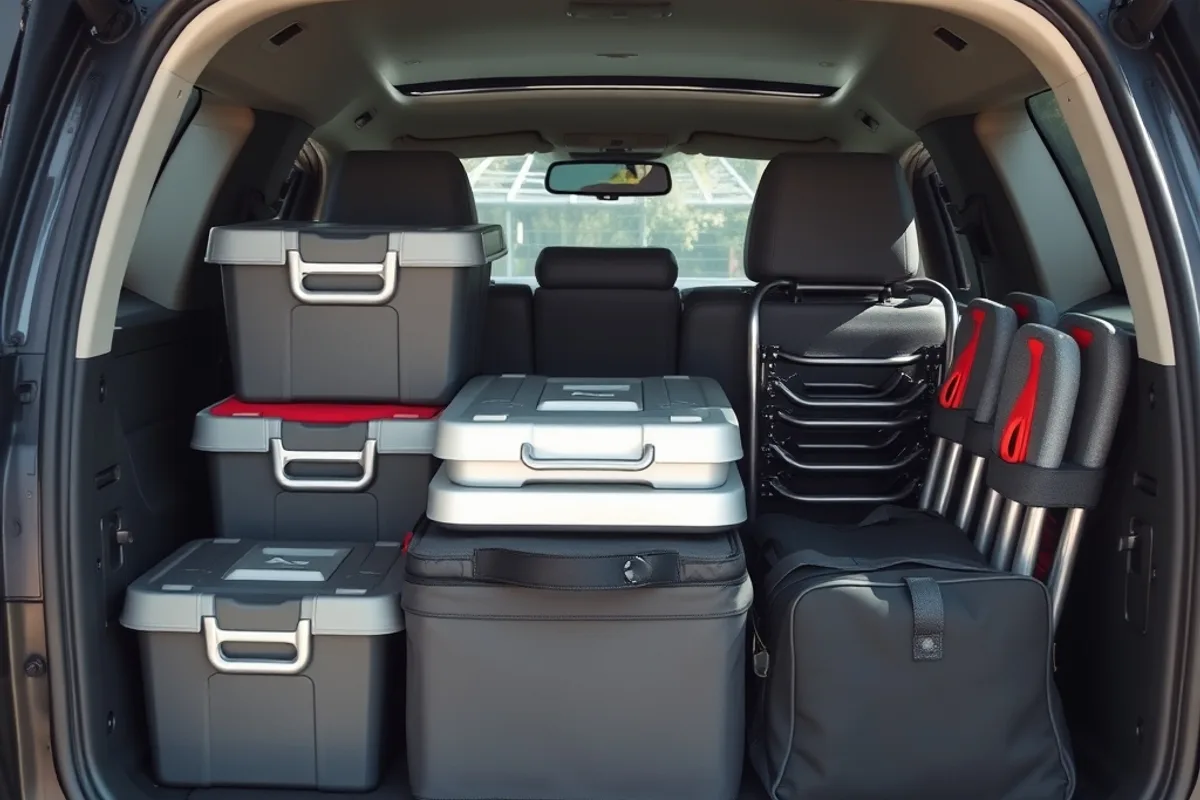
Storage that respects the car
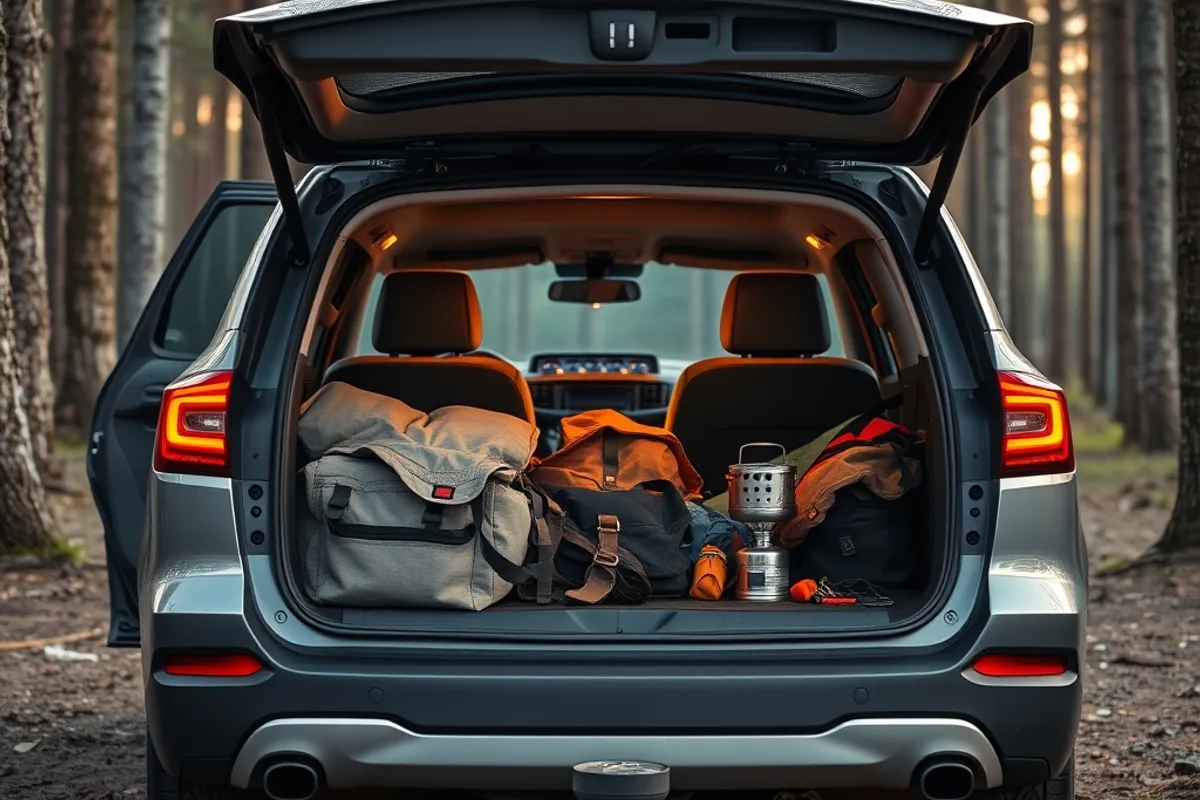
Use a small number of stackable boxes rather than a collection of loose bags. Clear or labelled boxes make it obvious where things live, and they slide in and out without emptying the boot. A flat box that fits under a sleeping platform is worth its weight in convenience.
Keep the heavy items low and forward of the rear axle. Secure anything that could move in a sudden stop. A cooler full of food becomes a dangerous projectile in a collision, so strap it down or place it behind a seat.
Leave space for wet gear. A waterproof bag or a dedicated bin for muddy boots and damp towels keeps the rest of the car dry. A small mat at the tailgate gives you somewhere to stand while you change shoes.
Power, light and water
A power bank for your phone is essential; a portable jump starter is a sensible backup for an older car. If you use a cooler, choose one that suits your trip length and pre-chill it before you leave. Ice is heavy and messy; a decent cooler keeps food safe for a weekend.
Lighting should be simple and rechargeable. A headtorch is more useful than a lantern because it leaves your hands free. A small camp light for the table is a pleasant extra. Avoid relying on the car’s interior lights; they are a quick way to a flat battery.
Bring more water than you think you need for drinking, cooking and washing. A collapsible container saves space. If the site has no water, plan for washing up and personal hygiene without leaving a mess.
“The best car-camping kit is the kit you can pack in ten minutes and unpack in five.”
Callum Hayes
Site selection and etiquette
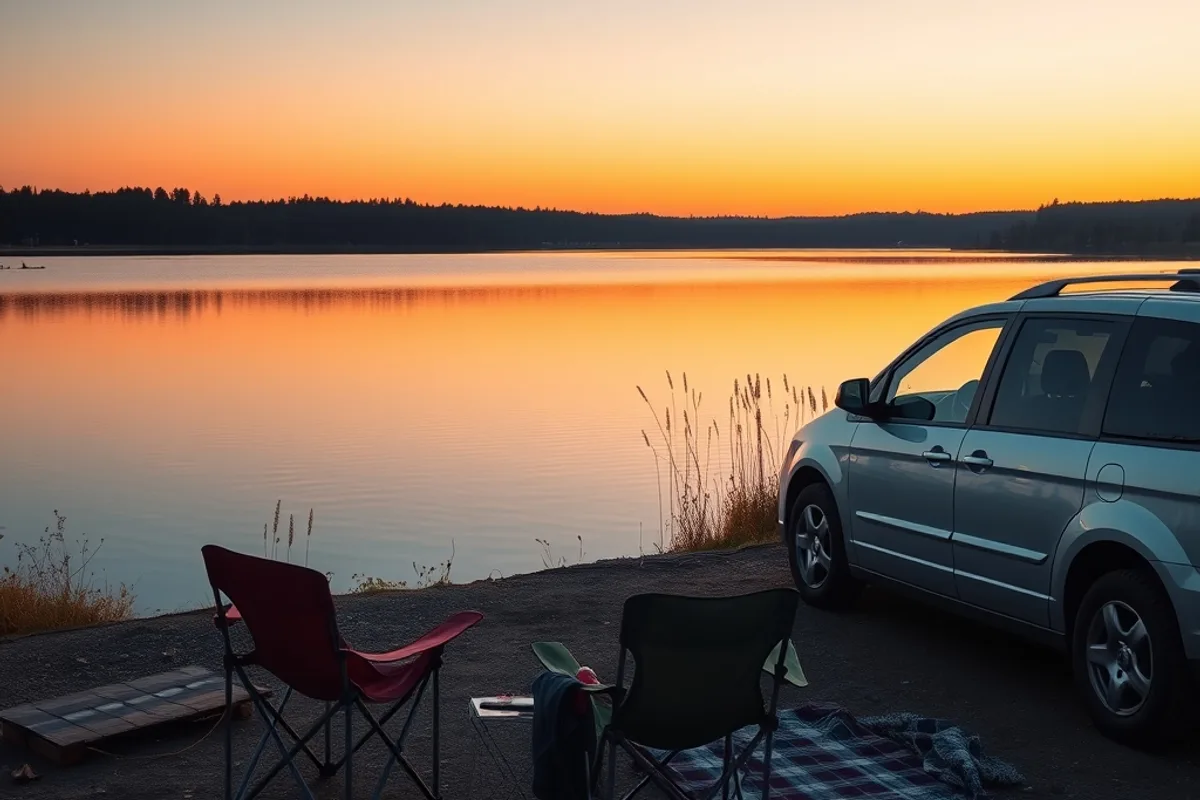
Choose a site that allows car camping and check the rules before you book. Some sites require you to park in a designated area and walk to the pitch; others allow sleeping in the vehicle. Arrive before dark if you can, especially on a first visit.
Keep noise low, especially after dark. Respect quiet hours, keep dogs under control and do not leave lights blazing. A car camp should blend into the site rather than dominate it. If you are wild camping, check the local access rules and leave no trace.
Plan an exit as carefully as an arrival. Pack down methodically, check the ground for small items and take your rubbish with you. A clean pitch is the mark of an experienced camper, and it keeps the places we love open to the next visitor.
The pack-out test
Before you leave home, pack the car as if you were at the campsite and then unpack it again. Time yourself. If it takes more than a few minutes to find the stove or repack the bedding, simplify the kit. The goal is a system, not a collection.
Make a list and refine it after every trip. Cross out what you did not use and add what you missed. After two or three weekends, the kit will settle into a reliable set that fits the car and the way you travel.
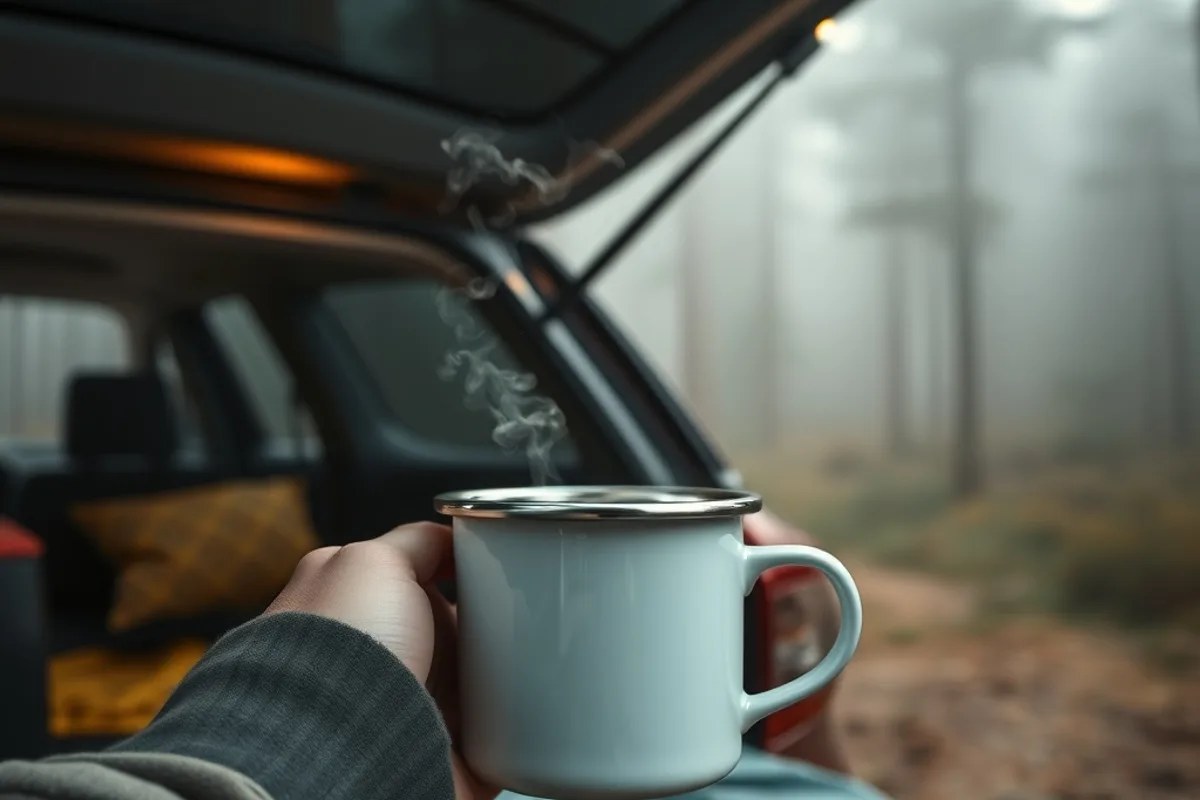
The reward is a trip that feels easy. You arrive, open the tailgate, make a cup of tea and watch the light change. The car is not just transport; it is the shelter, the kitchen and the reason you are there. A little organisation is all it takes to make that feel effortless.
Frequently asked
Can I sleep in my car at a campsite?
Only where the site allows it. Check the rules when booking and confirm whether sleeping in the vehicle is permitted. Some sites restrict it for insurance or licensing reasons.
What is the minimum kit for a weekend?
A suitable sleeping bag and mat, a simple stove and pot, water, a headtorch, a cool bag for food, a basic first-aid kit and a bag for rubbish. Add layers and rain protection for the forecast.
How do I keep food cold without a powered cooler?
Use a quality cool box, pre-chill it, and pack frozen bottles or ice packs around the food. Keep it shaded and open it as little as possible. For longer trips, a powered cooler is worth considering.